Hey everyone, it’s Alex here from the Decking Bamboo team. I get it—you install beautiful bamboo decking because it’s tough, sustainable, and way more stylish than that old wood deck you had before. But then life happens: someone spills a red wine glass at a backyard BBQ, a lawnmower leaks oil, or those funky green mildew spots pop up after a rainy week. Those stubborn stains? They’re the worst, right? I’ve been dealing with this stuff day in and day out as a bamboo decking supplier, and I’m here to tell you—you don’t need to go out and buy 10 different expensive cleaners to fix them. Most of the stuff you already have at home works way better, as long as you do it the right way. Let’s break this down, no fancy jargon, just real tips from someone who’s walked you through exactly what to do when your deck looks like a disaster zone. Decking Bamboo
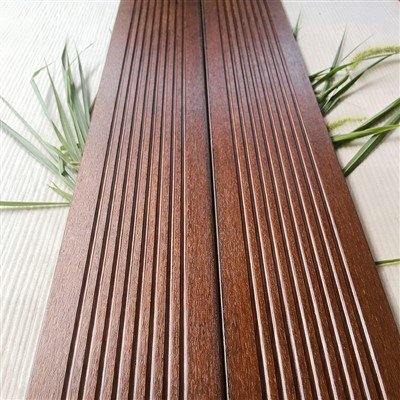
First, let’s talk about why bamboo decking stains differently than regular wood. A lot of people mix these two up, and that’s where they mess up. Bamboo is a grass, not a hardwood, which means it’s denser, has tighter fibers, and it’s actually treated with a natural sealant (or at least it should be, when you buy quality stuff like ours) to protect it from moisture and UV rays. But that sealant isn’t indestructible—if a stain sits too long, it can seep past the sealant and get stuck in those tiny bamboo grooves. The wrong cleaner, though? It can strip that sealant, leaving your bamboo dull and more prone to future stains. That’s why I always say: start with the gentlest solution first, work your way up. No need to blast it with harsh chemicals right out the gate—save that for the tough stuff that won’t budge.
Let’s start with the most common stain you’ll run into: food and drink spills. Red wine, coffee, soda, even barbecue sauce—these are the ones that make you panic the second you see them. If you catch these within an hour or two, you’re in luck. Grab a paper towel or an old rag (I use my old work shirts for this, no need to waste nice ones) and blot the spill immediately. Don’t rub—rubbing pushes the stain deeper into the bamboo fibers, and that’s how it becomes a stubborn mess. Once you’ve blotted up as much as you can, mix a little dish soap (the regular kind, not the antibacterial or specialty stuff—gentle works best) with warm water, get a soft-bristle brush (a soft-bristle scrub brush, not a wire one—wire scratches bamboo, trust me), and scrub the stain in the direction of the bamboo grain. Rinse it off with a garden hose, and pat it dry with a towel. If that doesn’t get all of it? Mix a little baking soda with water to make a thick paste, spread it on the stain, let it sit for 15 minutes, then scrub gently and rinse. Baking soda is mild abrasive, so it lifts stains without scratching the sealant—perfect for everyday spills.
Next up: oil and grease stains. These are the worst, in my opinion. Especially if you have a grill on your deck, or if your lawnmower leaked a little oil and tracked it across the boards. Oil sits on top of the bamboo sealant, but it can seep in if left too long, and regular dish soap won’t touch it. Here’s what works: cornstarch, or talcum powder. Sprinkle a thick layer of powder all over the oil stain, and let it sit for at least 24 hours. The powder absorbs the oil right out of the sealant—seriously, it’s magic. After 24 hours, sweep the powder away, and if there’s still a faint mark, use the same baking soda paste I mentioned earlier. Wait, another trick I learned from a regular customer who’s had our bamboo deck for 5 years: if it’s cooking oil from a BBQ, use a little white vinegar mixed with warm water, spray it on the stain, let it sit 10 minutes, then scrub. Vinegar cuts through grease way better than dish soap, and it’s totally non-toxic so you don’t have to worry about pets or kids stepping on it right after.
Mildew and mold—those green or black spots that pop up after a long wet spell, or under shaded parts of your deck. This one needs a little more oomph, but still nothing crazy. First, never use bleach on bamboo decking. Bleach will strip the natural color and finish of bamboo, leaving it looking all splotchy and dull. Trust me, I’ve seen too many decks ruined by people using bleach because “it works on wood.” Bamboo’s way more sensitive. Instead, mix 1 part white vinegar with 4 parts warm water, or if the mildew is really bad, use 1 part hydrogen peroxide (3% is the regular kind you get at the drugstore, no need for anything stronger) with 4 parts water. Spray the solution on the stained areas, let it sit for 10 to 15 minutes, then scrub with that soft-bristle brush in the grain direction. Rinse thoroughly. If you’ve got a pressure washer? Hold it at least 12 inches away from the deck, use the low setting—high pressure will etch the bamboo grooves and mess up the finish. I always tell customers to skip pressure washers for regular cleaning anyway, but if you use one, be super careful.
Now, what about the really tough, set-in stains? The ones that have been there for months, or that were spilled and left untouched. Things like rust from old patio furniture legs, ink from a marker that got knocked over, or even tree sap. For rust spots: mix lemon juice and salt to make a paste, spread it on the rust, let it sit for 30 minutes, then scrub gently and rinse. Lemon juice’s acidity eats through rust without damaging the bamboo. For ink: rubbing alcohol (isopropyl alcohol, the 70% kind) works like a charm. Dab a little on a rag, don’t douse it—too much alcohol can strip the sealant. Gently dab the ink stain, not rub, and it should lift right out. For tree sap: you can use rubbing alcohol too, or peanut butter (yes, really!). The oils in peanut butter break down sap, just rub a little on the sap, let it sit 10 minutes, then wipe away with a damp cloth. I’ve tested this on sap stains on our own showroom deck—works way better than any expensive sap remover I tried.
Wait, let’s talk about a few do’s and don’ts that I can’t stress enough, especially since I see so many customers make these mistakes. Do always clean in the direction of the bamboo grain. Scrubbing against the grain scratches the fibers, makes the deck look worn, and gives spots for more dirt and mildew to grow. Don’t use wire brushes, steel wool, or any harsh abrasive scrubbers. They leave tiny scratches that you can’t see right away, but over time they build up and make your deck look dull. Do re-seal your bamboo deck every 1 to 2 years, depending on how much sun and rain it gets. Even the best sealant wears down, and re-sealing prevents stains from setting in in the first place. We sell the perfect sealant for our bamboo decking, by the way—works way better than any generic stuff I’ve tried. Don’t use harsh chemicals like ammonia, bleach, or oven cleaner. I’ve had a customer send me a photo of their deck after they used oven cleaner on a grease stain—total disaster, the bamboo turned yellow and never recovered.
A quick pro tip from my team here: if you notice a stain as soon as it happens, that’s 90% of the battle. We always keep a spray bottle of equal parts white vinegar and water, a box of baking soda, and a bag of cornstarch under our back deck for those last-minute spills. It’s way easier to blot a red wine spill right away than to scrub it out an hour later. Also, for high-traffic areas of your deck—like the part right by the back door—put a doormat. A good quality doormat catches dirt, water, and spilled debris before it gets on your bamboo deck, which cuts down on stains a ton.
Now, I know some of you might be thinking “this is great, but what do I do if my stain just won’t come out no matter what?” That’s where we come in. As a bamboo decking supplier, our team has helped hundreds of customers troubleshoot tough stains, and if all else fails, we can send a small sample of our recommended heavy-duty (but still bamboo-safe) cleaner, or even come out to help if you’re local. But honestly, 9 times out of 10, the tips I just shared work. The key is not overcomplicating it—most stubborn stains on bamboo decking don’t need fancy, expensive cleaners. You probably have all the supplies you need in your kitchen or bathroom right now.
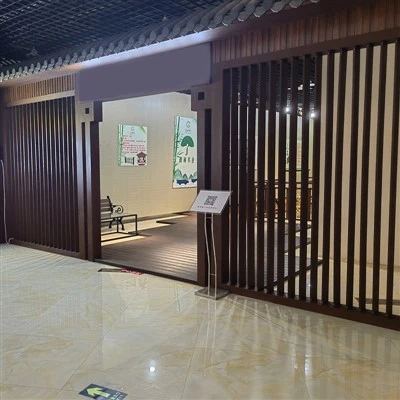
If you’re looking to install a new bamboo deck, or upgrade your old one, we’ve got the best quality bamboo decking on the market—we source it sustainably, it’s pre-sealed to resist stains and moisture, and it’s way longer-lasting than traditional wood decking. We also offer free advice on deck care and stain removal, since we care about making sure your bamboo deck looks good for years, not just a season. If you have any questions about specific stains on your deck, or you want to chat about getting a new bamboo deck installed, don’t hesitate to reach out. We’re here to help, not just sell you product.
Decking Bamboo References
- International Code Council. (2021). Residential Decking Materials: Performance and Maintenance Guidelines.
- Bamboo Council USA. (2022). Care and Cleaning of Exterior Bamboo Surfaces.
- University of California Agriculture and Natural Resources. (2020). Stain Removal for Outdoor Wood and Bamboo Surfaces.
- Deck and Porch Institute. (2021. Best Practices for Cleaning and Sealing Composite and Bamboo Decking.
Fujian Jingmingsheng Forestry Technology Co., Ltd.
As one of the most professional decking bamboo manufacturers and suppliers in China, we offer a wide range of products with superior quality. With abundant experience, we warmly welcome you to wholesale bulk decking bamboo in stock here from our factory. Customized orders are welcome.
Address: No. 1, Daban, Fuzhuang, Xiyang Town, Yongan City, Sanming City, Fujian Province
E-mail: 17759790120@163.com
WebSite: https://www.jingangzhu.com/
