If you’ve ever stood in front of a feed mixing line watching it run, and wondered how that big metal drum turns a pile of corn, soybean meal, vitamins, and trace minerals into a consistent batch every single time, you’re asking the right question. For nearly two decades, I’ve been selling, troubleshooting, and refining feed mixing equipment for livestock, aquaculture, and pet food producers, and the control systems behind those mixers are where most of the “magic” (and the reliability) lives. Too many producers write off controls as just buttons and screens—until a bad batch of feed gets rejected, or a batch runs 20% over budget because someone mismeasured a micro-ingredient. Today, I’m breaking down every control system you’ll find on modern feed mixing equipment, from the basic setups we install for small family farms to the heavy-duty systems we ship to large commercial integrators. Feed Mixing Equipment
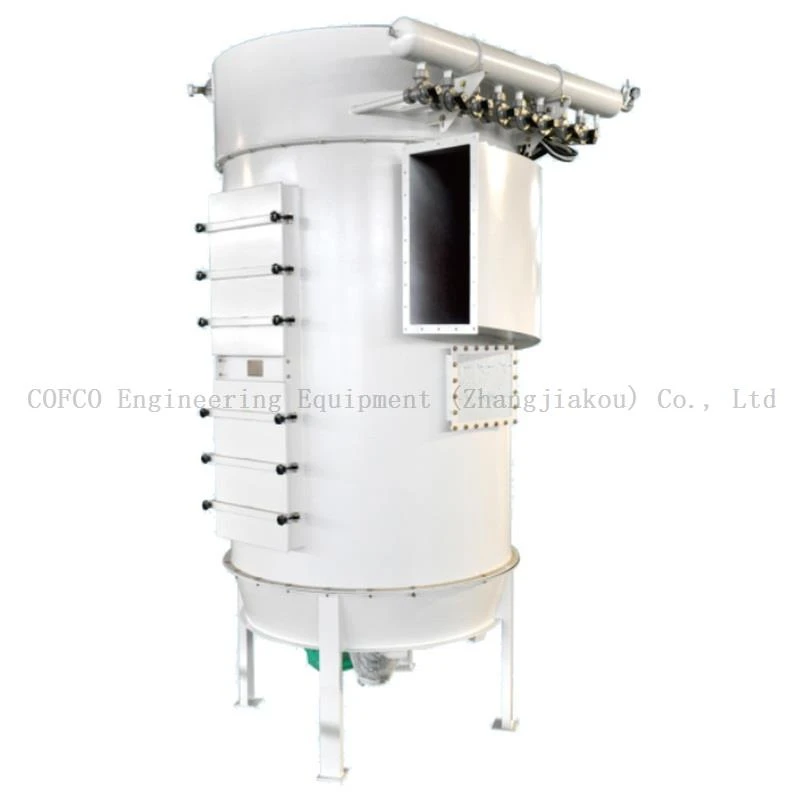
Let’s start with the entry-level systems, because not every feed operation needs a million-dollar PLC. For small to mid-sized farms (think 500 to 10,000 head of poultry or cattle), most of our equipment ships with manual or semi-automatic control panels. These aren’t “low-tech” by accident; they’re built for operators who might not have a dedicated maintenance team, who run 1 or 2 mixing batches a day, and who need something they can repair with a multimeter and a replacement relay from the local farm supply store. The core here is a simple solid-state control board, mounted in a NEMA 4X enclosure to protect against dust, feed spills, and the occasional spray from cleaning hoses. It has three main inputs: a start button, a stop button, and a timer for mixing duration, plus preset dials that control the load cells (more on those in a minute) for bulk ingredients like corn and soybean meal. The micro-ingredients—those trace minerals, medication premixes, or flavor additives that make up less than 2% of the total batch—are usually handled by a separate manual add port here: the operator stops the mixer mid-cycle, opens a port, pours in the micro-ingredient, and restarts. Is this less efficient than automated systems? Absolutely. But for a farm that doesn’t have the time or budget to train a staff on complex HMI (human-machine interface) screens, it’s perfect. We sell hundreds of these semi-automatic setups every year, and 90% of the feedback we get is about how easy they are to troubleshoot when something goes wrong.
Next, the semi-automated control systems, which are the sweet spot for most mid-sized commercial feed operations (10,000 to 50,000 head of livestock, or aquaculture operations producing 50 tons of feed a month). These use a small, dedicated PLC (programmable logic controller) paired with a basic touchscreen HMI, and they eliminate almost all the human error that comes with manual ingredient adding. The key upgrade here is automated ingredient weighing. Instead of an operator twisting a dial to set how much corn goes into the mixer, load cells mounted under the mixer hopper or in the ingredient bins feed real-time weight data to the PLC. The system is programmed to stop feeding bulk ingredients when they hit 95% of the target weight for the batch, then switch to a slower “dribble feed” rate for the last 5%—that’s how you get accuracy within 0.1% of the target, even for large ingredients. For micro-ingredients, semi-automated setups use auger-based feeders or loss-in-weight systems, all controlled by the PLC, so the operator just inputs the batch formula once, and the system dispenses every ingredient in the right order and amount. One of the biggest perks of these systems is recipe management: you can store 20 or 30 different feed formulas for different growth stages (starter chicken, finisher swine, etc.) on the HMI, so you don’t have to reprogram the mixer every time you switch batches. We installed a semi-automated setup last year for a 25,000-head hog operation in Iowa, and their feed rejection rate dropped from 8% to less than 1% in the first month—all because the control system stopped under-dispensing lysine premix, which used to be their most frequent off-spec batch.
Now, the heavy-hitter: fully automated, PLC-based control systems with batch management integration, built for large commercial feed mills (50,000+ head of livestock, or mills producing 200+ tons of feed a day). These systems aren’t just controlling the mixer itself—they’re integrated with the entire plant’s process control system, so they sync with raw ingredient silos, delivery trucks, pellet mills, and bagging lines. The core here is a scalable PLC platform, usually Allen-Bradley or Siemens (we only work with industrial-grade controls here, not consumer-grade screens), and a full-featured HMI that can be accessed from a desktop computer or even a tablet on the plant floor. The accuracy here is next-level: load cells are calibrated to within 0.05% of target weight, and loss-in-weight feeders for micro-ingredients use continuous weight monitoring, so if a feeder clogs for even a second, the system alerts operators and adjusts the dispense rate to compensate, no manual intervention needed. These systems also have built-in quality control checks: they log every batch’s ingredient weights, mixing time, and sequence, so if a problem arises downstream, you can trace it back to a specific batch’s control data. For operations that handle medication premixes or regulated additives (like aquafeed with omega-3s), these systems have segregation controls: the control panel can lock out cross-contamination, so you can run a medicated feed batch and then immediately switch to a non-medicated feed without having to manually clean the mixer. We also add safety interlocks here: the mixer won’t run if the access door is open, and it will automatically shut down if a feeder is overloaded, which reduces workplace accidents on busy plant floors. I worked with a 100-ton-per-hour feed mill in Texas a couple years back that upgraded from a semi-automated system to a fully integrated PLC setup; their labor costs for the mixing line dropped by 30% because they only need one operator to oversee 2 mixing lines, instead of two operators per line.
Wait, there’s one more type of control system that’s become way more popular in the last five years: IoT-enabled cloud-based control systems. These are built on top of the standard PLC platform, but they add remote monitoring, predictive maintenance, and formula syncing features that game-changers for large distributed operations—like a company with feed mills in multiple states, or contract feed producers that supply multiple different farms. Here’s how it works: the control system on the mixer sends real-time data (batch weights, mixer runtime, feeder performance, error logs) to a cloud server, which operators can access from anywhere, even their offices or phones. If a feeder starts showing inconsistent weight data, the cloud system will flag it as a potential issue before it causes a bad batch, so a maintenance technician can replace a worn auger or adjust a load cell calibration overnight, during a downtime window when the plant isn’t running. We also integrate cloud formula management here: if a farm needs a new feed formula for a new crop of calves, the producer can upload the formula to the cloud, and it pushes automatically to all of the mill’s mixing line control systems, no one has to manually input it on each HMI. One of our clients, a multi-state poultry feed producer with 3 mills, uses this system to adjust formulas for seasonal changes—like adding more corn in the winter when energy needs are higher—across all three mills in less than an hour, a task that used to take 4 hours of manual work per mill. The only catch with IoT systems is that they require a stable internet connection; we always advise clients to have a backup local control mode, just in case the internet goes down, so the mixer doesn’t stop running entirely.
Now, let’s talk about what to look for when choosing a control system for your feed mixing equipment, because every operation’s needs are different. If you’re a small family farm, don’t overspend on a fancy PLC with cloud access—you’ll end up paying for features you’ll never use, and you’ll have to pay a technician to program it when something goes wrong. Instead, look for a reliable semi-automatic system with a simple HMI, sturdy load cells, and the ability to handle 80% to 90% of the formulas you run. For mid-sized operations, the sweet spot is a PLC-based system with recipe management and automated micro-ingredient feeding—you’ll get the accuracy you need without the high cost of full integration. For large mills, prioritize scalability: make sure the control system can be expanded to add more mixing lines or integrate with future equipment, and look for built-in safety features to reduce workplace risks.
A common mistake I see producers make is choosing a control system based on price alone. A cheap control panel might save you $2,000 upfront, but if it has flimsy load cells that drift after 6 months, you’ll end up reworking batches, which costs way more than that $2,000 in feed waste and rejection fees. We use industrial-grade components from manufacturers that specialize in agricultural equipment, not general industrial controls, because they’re built to handle dust, moisture, and the vibration that comes with running a mixer for 12 hours a day. We also offer 24/7 support for all our control systems—if an operator has a question at 2 a.m. during a harvest season, they can call our team, and we can walk them through troubleshooting over the phone, no wait time.
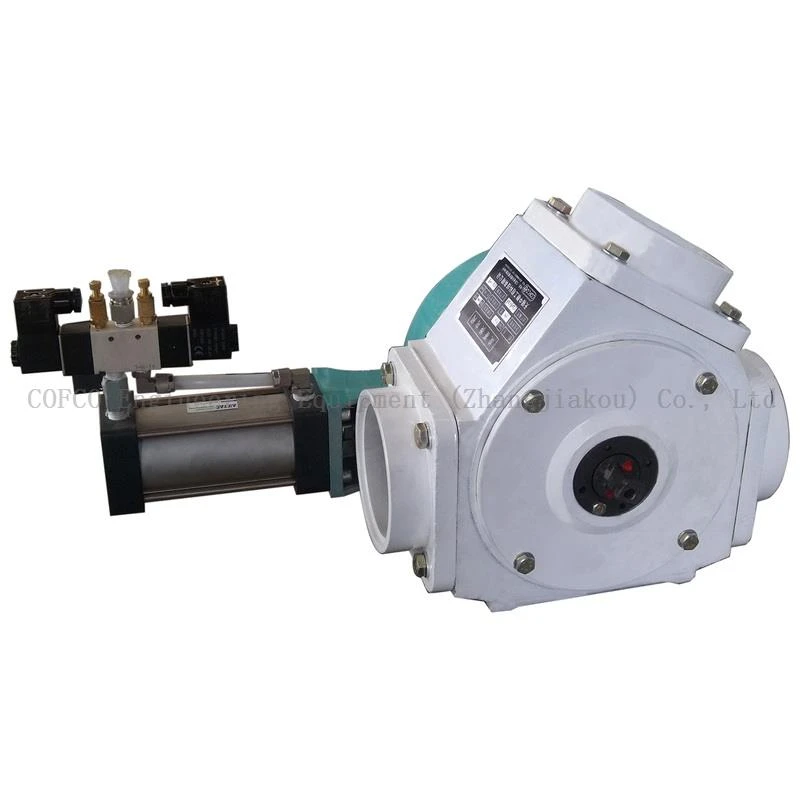
At the end of the day, the control system on your feed mixer is the backbone of your entire feed operation. It doesn’t matter if you have a brand-new 10-ton mixer or a compact 1-ton model—without a reliable control system, you’ll end up with inconsistent feed, wasted ingredients, and lost money. If you’re looking to upgrade your current mixing equipment’s control system, or you’re in the market for a new mixer and want to pick a setup that fits your specific operation, we’re here to help. We can walk you through the different options, answer questions about accuracy, safety, and maintenance, and work with your budget to find the right fit for your livestock, aquaculture, or pet food feed program. Don’t let bad control systems hold your operation back from running at peak efficiency. Reach out to our team today to discuss your needs and get a customized recommendation.
Flour Automatic Packing Machine References
- ASAE Standard S561.2, Agricultural Feed Mixer Control Systems: Performance Requirements and Testing Methods, American Society of Agricultural and Biological Engineers, 2021.
- Nielsen, S. L., “Control System Selection for Batch Mixing in Feed Manufacturing,” Journal of Applied Poultry Research, vol. 28, no. 4, 2019, pp. 1127–1135.
- USDA Agricultural Marketing Service, “Quality Control Guidelines for Commercial Feed Manufacturing,” U.S. Department of Agriculture, 2022.
- Siemens Industrial Automation, “Scalable PLC Solutions for Feed Processing Plants,” Siemens AG, 2020.
- Food and Agriculture Organization of the United Nations, “Small-Scale Feed Mixing: Control Systems and Best Practices,” FAO Animal Production and Health Guidelines, 2021.
COFCO Engineering Equipment (Zhangjiakou) Co., Ltd.
As one of the most professional feed mixing equipment manufacturers and suppliers in China, we also support customized service. Please feel free to wholesale advanced feed mixing equipment for sale here from our factory. Quality products and reasonable price are available.
Address: No.4 ZhongLiang Street, high-tech industrial development zone, Zhangjiakou, Hebei, PRC
E-mail: mayihui@cofco.com
WebSite: https://www.ceeflourmill.com/
