If you’ve ever walked into a kitchen with a countertop that catches the light just right, you know how much of a difference a polished, shiny quartz surface makes. As a quartz countertop supplier who’s worked with residential and commercial clients for over a decade, I’ve heard it all: “My quartz looks dull after a few months of cleaning,” “Can I use harsh chemicals to get that shine back?” or even “Is shine just for vanity, or does it mean my countertop is still in good shape?” The truth is, making quartz shine isn’t about fancy, expensive products—it’s about understanding what quartz actually is, how it wears over time, and the small, consistent habits that keep its finish looking like new. Quartz Countertop
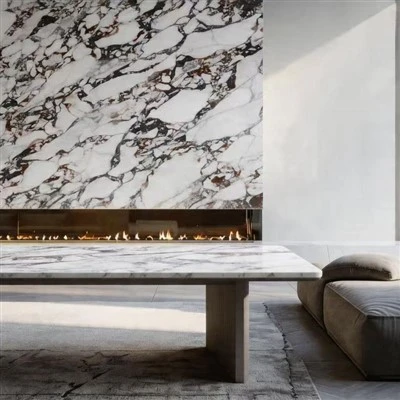
First, let’s get one thing straight: quartz countertops aren’t the same as natural stone like granite or marble. Unlike those, quartz is engineered—93% natural quartz crystals mixed with polymer resins and pigments, all bonded under high pressure. That blend is why quartz is non-porous, stain-resistant, and low-maintenance, but it also means its shine comes from a protective resin layer, not a natural stone’s mineral luster. Over time, that resin can get dull from everyday use: spills of citrus or coffee, accidental scratches from a knife, or even just the buildup of cheap, abrasive cleaners. So fixing dullness starts with addressing that resin layer, not scrubbing away at the quartz crystals themselves.
Let’s start with the day-to-day routine that prevents dullness in the first place, because the best way to keep shine is to not lose it. I see a lot of clients making two mistakes here: using abrasive scrub pads (the green “scrubbing” side of a sponge, or steel wool) and harsh, acidic cleaners (like vinegar, bleach, or bathroom cleaners). Even a quick swipe with a green pad can scratch the resin layer, leaving tiny marks that scatter light and make the countertop look dull, even if the surface is technically clean. Instead, stick to the right cleaning tools: a soft microfiber cloth or a non-abrasive sponge, and a pH-neutral dish soap. This is the go-to method I recommend to every customer when they first get their quartz countertops at home. After wiping up spills immediately (especially acidic ones, which can break down the resin over time), a quick wipe with a damp microfiber cloth and a drop of soap once a day keeps the surface free of grime without damaging the finish.
If you already have some dullness, don’t reach for the most expensive polish on the shelf. Most big-box store “quartz polishes” are either overpriced or filled with waxes that can build up over time, leaving a cloudy film that’s worse than the original dull spot. For light dullness from everyday use, a simple DIY solution works better than any store-bought product. Mix a quarter cup of rubbing alcohol with a gallon of warm water, add a tiny squirt of pH-neutral dish soap, and dip a microfiber cloth in the mixture, wring it out so it’s damp (not soaking wet—quartz is non-porous, but too much water can seep into seams if not dried right away), and wipe the countertop in circular motions. Let it sit for 30 seconds, then buff it dry with a separate, dry microfiber cloth. The alcohol cuts through grease and leftover residue without harming the resin, and the buffing brings out the natural shine of the quartz crystals underneath. I’ve seen this work on countertops that have been in use for five years; it brings back that fresh-out-of-the-box glow without any extra fuss.
For more stubborn dull spots—like ones from a spilled wine that sat for a few days, or a small scratch that’s made the surface look cloudy—you’ll need to step up the game, but still without harsh products. First, test the spot on a tiny, inconspicuous area (like behind a refrigerator or under a sink) to make sure the cleaner doesn’t discolor the quartz. A paste made of baking soda and warm water is perfect here. Mix three parts baking soda to one part water, so it’s the consistency of toothpaste. Spread a thin layer over the dull spot, let it sit for 10 to 15 minutes (don’t leave it longer than that, or it can dry and become abrasive), then take a soft sponge and rub it gently in circular motions. Baking soda is a mild abrasive, strong enough to lift buildup or light stains, but not strong enough to scratch the quartz’s surface. After rubbing, wipe the area with a damp cloth, then buff dry. Most small, stubborn dull spots will disappear after this, and you won’t have to worry about damaging your countertop.
Now, what about deeper scratches that cause dullness? Quartz is durable, but it’s not unbreakable—dropping a heavy pot or sliding a knife across the surface without a cutting board can leave light scratches, which catch light and make the countertop look dull. For surface scratches that go only through the resin layer, there are two options: DIY repair, or professional resurfacing. The DIY method for light scratches is to use a quartz-specific polish (make sure it’s formulated for engineered quartz, not natural stone) and a soft buffing pad. Apply a small amount of the polish to the scratch, rub it in with the buffing pad in circular motions, then wipe away the excess and buff the area. This works for scratches that are less than a month old, because deeper scratches will need a professional to sand and reapply a new resin layer. As a supplier, I always recommend professional resurfacing for scratches that are deeper than the thickness of a dime—attempting to fix them too hard can damage the quartz permanently, and a professional will match your countertop’s finish exactly so you don’t have a patchy spot.
One question I get all the time: can I wax my quartz countertop to make it shine? The short answer is no, not regular car wax or furniture wax. Wax builds up a film on the resin layer that looks shiny at first, but over time it traps dirt and grime, leading to a dull, cloudy surface that’s hard to clean. Some brands sell quartz-specific wax, but even that’s not necessary if you’re cleaning and buffing correctly. The only product you should use to enhance shine is a quartz sealer or a high-quality quartz polish that’s designed to bond with the resin layer, not sit on top of it. Sealing quartz is actually not required—since it’s non-porous, it doesn’t absorb liquids like natural stone does—but a thin, compatible sealer can add an extra layer of protection and boost shine for a few months. I recommend waiting at least a year after installation to seal, just to make sure the resin is fully cured, and only use a sealer that’s recommended by quartz manufacturers (avoid generic sealers, as they can leave a residue).
Another common mistake is overlooking the edges and seams of quartz countertops. The edges are often the first place to get dull because they’re more exposed to spills and frequent wiping, and seams can trap grime if not cleaned properly. To keep edges shiny, use the same microfiber cloth and pH-neutral soap—avoid scrubbing the edges with hard tools, since they’re slightly thinner than the main surface and easier to scratch. For seams, a mix of warm water and a tiny bit of baking soda works to lift buildup; just make sure to wipe the area completely dry after, because moisture left in seams can cause mold over time.
Let’s talk about long-term care to maintain shine. Every three to six months, do a deep clean to remove any buildup that day-to-day cleaning might miss. For this, you can use the rubbing alcohol and water mixture I mentioned earlier, or a store-bought quartz cleaner (just make sure it’s pH-neutral and not labeled for natural stone). Spray the cleaner on the countertop, let it sit for two minutes, then wipe with a microfiber cloth and buff dry. This deep clean removes any leftover soap residue, grease, or tiny particles that can make the surface look dull over time. Also, always use cutting boards for food prep and trivets for hot pots—heat can cause the resin to warp slightly, which creates a dull spot, and cutting directly on the countertop leads to scratches. These small habits add up to keeping your quartz countertop shiny for years.

I’ve seen clients who follow these steps have their quartz countertops looking as good as new for 10, even 15 years, while others who use harsh cleaners and abrasive tools see dullness within a year. The key is that quartz shine is about protecting what’s already there, not adding something extra to cover up damage. When you choose quartz countertops, you’re choosing a low-maintenance surface, but that doesn’t mean you can skip basic care. It’s the same as a good pair of shoes: you don’t need to polish them every day, but taking care of them regularly keeps them looking new longer.
Bathroom Quartz Countertop If you’re thinking about replacing your dull quartz countertops, or you’re installing new ones and want to keep them shiny from day one, remember that as a quartz countertop supplier, I’m here to help. We can guide you on choosing the right finish that fits your space, and share more specific care tips based on the product you select. Whether you’re a homeowner looking to refresh your kitchen or a contractor working on a commercial project, we provide high-quality quartz countertops that are durable and easy to maintain, and we can help you find the right solutions to keep them shining for years.
References
- Natural Stone Institute. (2022). Engineered Quartz Care and Maintenance Guidelines.
- Quartz Manufacturers Association. (2021). Understanding Quartz Composition and Surface Care.
- International Kitchen and Bath Association. (2023). Countertop Cleaning Best Practices for Residential and Commercial Spaces.
- Journal of Surface Cleaning Technology. (2020). Effects of Abrasive Cleaners on Engineered Quartz Surfaces.
Wuhu Junde New Material Technology Co., Ltd.
As one of the most experienced quartz countertop manufacturers and suppliers in China since 1998, we warmly welcome you to wholesale top-quality quartz countertop made in China here from our factory. If you have any enquiry about cooperation, please feel free to email us.
Address: No.8 Yulin Road, Xinwu Economic Development Zone, Anhui Province, China
E-mail: 1127319898@qq.com
WebSite: https://www.jundequartz.com/
