Hey there! If you’ve ever stared at your kitchen sink and wondered “what even is that mesh thing in there?”, I get it. I’m a drainer supplier, and let me tell you, this is the question I get at least three times a week from homeowners, new restaurant managers, and even a few DIY folks building their first backyard bar. Most people just grab a drainer from the store, toss it in the sink, and call it a day—but there’s way more thought that goes into that little (or big) tool than you’d think. Today, I’m breaking down the main materials drainers are made of, why each one matters, and what you should actually look for when picking one that works for you—whether you’re dropping $5 on a disposable one or investing in a commercial one that’ll last years. Drainer
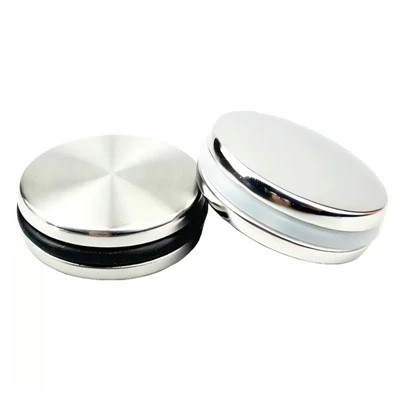
First off, let’s get one thing straight: drainers aren’t one-size-fits-all. The material is everything—because it’s what determines if your drainer will rust after two months, crack when you’re scraping a giant pile of pasta, or hold up to hot water, grease, and all the random food scraps we toss down the sink. I’ve seen so many people make the mistake of buying the cheapest-looking plastic drainers for their café, only to have them warp in the dishwater after a week. That’s money wasted, and trust me, I’ve been there when I first started in this business.
Let’s start with the most common one you’ll see everywhere: stainless steel. If you walk into any kitchen, home or commercial, there’s a 90% chance the drainer under the sink or on the counter is stainless steel. Why? Let’s be real—it’s the workhorse of drainer materials. Most stainless steel drainers are made from what’s called 304 grade stainless steel, which is the standard for kitchen gear. Wait, what’s 304? It’s an alloy made of iron, chromium, and nickel, right? The chromium part is key here—it creates a thin, invisible layer on the surface that stops rust and corrosion. That’s why it can handle hot water, acidic food stuff like tomato sauce or vinegar, and even grease from frying without turning brown or flaking.
Now, not all stainless steel is created equal, though. You’ll sometimes see cheaper ones with 201 grade stainless, which has less nickel. It’s cheaper, sure, but it rusts way faster—especially if your sink is hard water, or you leave the drainer wet in the bottom for days. I once sold a bulk order of 201 drainers to a small restaurant, and they emailed me a month later saying half of them had little orange spots all over. We had to replace them, and that’s when I learned to never push 201 unless the customer explicitly says they want it for a temporary, low-use spot. 304 is the way to go for most people—homeowners, cafes, even food trucks. It’s durable, easy to clean, and doesn’t react with food, so you don’t have to worry about weird metal taste getting into your pasta or veggies.
Another big plus for stainless steel drainers? They’re recyclable, which is a huge sell these days. More and more people are trying to cut down on single-use plastic, and stainless steel lasts forever if you take care of it. I have a 10-year-old stainless steel drainer in my own kitchen, and it still looks almost brand new—just a little bit of patina, which is actually kind of cute. The only downside? It can get a little heavy, and if you drop it on a hard tile floor, it might ding. But for the most part, it’s the best all-around material for drainers.
Next up: plastic. You can’t talk about drainers without mentioning plastic—those cheap, mesh or solid plastic ones you grab from the dollar store, or the big collapsible ones for camping. But plastic drainers are way more varied than most people think. First, there’s the standard polypropylene (PP) plastic, which is the most common for cheap home drainers. PP is heat-resistant up to around 220 degrees Fahrenheit, so it can handle most hot water from the sink, but you can’t put it in the oven, obviously. It’s lightweight, cheap, and easy to mold into all kinds of shapes—round, square, even the weird custom ones for apartment sinks that are a little odd-sized.
But here’s the thing: not all plastic is safe for food contact. Some cheaper plastics use BPA and other chemicals that can leach into food, especially if they’re exposed to hot temperatures. That’s why I only sell food-grade plastic drainers—they’re made without those harmful chemicals, so you don’t have to worry about your veggies picking up a weird taste if you rinse them in a plastic drainer. Food-grade PP is fine for most uses, but if you’re planning on using it a lot for hot stuff like draining pasta, you might want to go a step up. There’s also high-density polyethylene (HDPE), which is a little sturdier than PP and more resistant to scratches. I use these for my kids’ camping trips because they don’t break if you step on them, which is a win.
The downside of plastic? It’s not as durable as stainless steel, and it can get stained over time. If you drain red sauce or coffee grounds in a plastic drainer, it might leave a little brown tint that doesn’t come off completely, no matter how much you scrub. Also, if you leave it sitting in water for too long, it can get moldy in the tiny crevices—you have to clean it really well, and sometimes replace it every year or so. I always tell homeowners: if you want a cheap, temporary drainer for a rental, plastic is fine. But if you want something that’ll last years, stainless is better.
Then there’s the one that a lot of people don’t think about for regular sink drainers, but is super common in commercial settings: nylon mesh. Wait, nylon is a type of plastic, right? But mesh drainers are different from solid plastic ones. They’re that fine, flexible mesh that fits right into the drain, catching food scraps instead of letting them go down the pipe. Most kitchen sink strainer drainers (the little ones that sit in the drain) are nylon mesh, not stainless steel—because nylon is flexible, so it molds to fit almost any drain size, and it’s cheap to replace if it gets clogged or torn.
Nylon mesh is usually food-grade too, so it’s safe for food, but it does have a shorter lifespan. If you’re scraping big food scraps like potato peels or eggshells into it, those can tear the mesh, so you have to replace it every few months. But for its low cost, it’s perfect for busy kitchens where you go through a lot of these. I’ve had a café client that goes through 10 nylon mesh drainers a month, and they told me it’s way cheaper than installing a fancy garbage disposal that clogs all the time. That makes sense to me.
Wait, there’s also silicone drainers! Yeah, silicone is blowing up lately, and for good reason. Silicone is a type of rubber, right? It’s heat-resistant up to like 450 degrees, so you can drain really hot pasta or boiled veggies without worrying about it melting or warping. It’s flexible, so it can fold up if you need to store it in a small cabinet, which is great for people with tiny kitchens or who move around a lot. It’s also non-stick, so food scraps don’t stick to it as much, and it’s super easy to clean—just rinse it under hot water and it’s good to go.
The only downsides to silicone? It’s a little more expensive than plastic, and it can stain if you use it a lot for red food like berries or tomato sauce. Also, some cheap silicone has a weird rubbery smell when you first take it out of the package—so make sure you get food-grade silicone that’s been tested for that. I sell silicone drainers for people who want something compact and easy to store, or for anyone who does a lot of cooking with hot stuff. My mom swears by hers for draining pasta, and she’s had it for three years now with no issues.
Oh, and let’s not forget the old-school ones: metal drainers that aren’t stainless steel, like aluminum or galvanized steel. Wait, why don’t we see these much anymore? Let’s be real—aluminum is cheap, but it rusts super fast when exposed to water and food acid. If you drain tomato sauce in an aluminum drainer, it’ll pit and corrode in a week. Galvanized steel has a zinc coating, which also rusts when that coating wears off. A long time ago, people used these, but they fell out of favor because they’re just not durable for kitchen use. I still get a few requests for them for outdoor projects, but that’s about it—definitely not the go-to for regular indoor sink drainers.
Now, let’s talk about what actually matters when you’re choosing a drainer, not just the material. Because even the best material won’t work if it’s the wrong fit. For example, if you have a small apartment sink, a big stainless steel drainer might not fit, so a collapsible silicone one is better. If you run a busy diner, you need something that’s easy to replace, so nylon mesh is your best bet. If you want something that’ll last forever for your home, 304 stainless steel is the way to go.
I’ve had customers come to me with horror stories—like they bought a cheap plastic drainer that warped when they drained boiling pasta, or a stainless steel one that was actually 201 grade and rusted. That’s why I always tell people to ask about the material grade, not just “is it stainless steel?” Most reputable suppliers will tell you exactly what kind of alloy they’re using, and if it’s food-grade. If someone won’t tell you, that’s a red flag—walk away, because the drainer might not be safe or durable.
Another thing to consider: maintenance. Stainless steel is easy—just scrub it with a sponge and soap, and it looks good. Plastic might need a little more elbow grease to get stains out, and silicone is pretty low-key, but you have to make sure you don’t use abrasive scrubbers that can scratch it. Nylon mesh needs to be replaced regularly, as I mentioned, because even if you clean it, it can get clogged with tiny food particles that lead to bacteria.
Wait, I should also mention something that’s a big concern for a lot of people lately: sustainability. Plastic drainers are single-use, which is bad for the planet, and even silicone can be a little tricky to recycle. Stainless steel, on the other hand, is infinitely recyclable—you can melt it down and make new stuff forever, so if you take care of your stainless steel drainer, you won’t have to throw it away for decades. That’s a huge plus for anyone trying to reduce their waste. I know a lot of my customers, especially younger homeowners, care about that, so I always highlight stainless steel as the most eco-friendly option.
Let me wrap this up with a little real talk, since I’m a supplier, not just some guy writing a blog. I’ve been in this game for 8 years, and I’ve learned that the best drainer isn’t the most expensive one—it’s the one that fits your needs. If you’re a homeowner who cooks a lot and wants something that’ll last, go for 304 stainless steel. If you’re a renter on a budget, food-grade plastic or silicone collapsibles work great. If you own a commercial kitchen, nylon mesh strainers are a lifesaver for keeping pipes clear.
I get it—when you’re out shopping, it’s easy to just grab the first drainer you see, but knowing what materials are in that thing can save you money, hassle, and even keep your kitchen (and your family) safe. No more rust spots, no more warped plastic, no more weird metal taste from your pasta.
If you’re in the market for new drainers—whether you need a few for your home or a bulk order for your business—I’m here to help. I can walk you through the different materials, sizes, and grades, so you get exactly what works for you. No pushy sales stuff, just honest advice from someone who’s been in the kitchen with these things every single day. Hit me up, and we can chat about what you need. You won’t regret it—trust me.
Sensor Faucet References:
- Food and Agriculture Organization of the United Nations. (2019). Food Contact Materials: Safety Requirements and Guidance for Industry.
- Stainless Steel Information Center. (2021). 304 vs. 201 Stainless Steel: Key Differences for Kitchen Applications.
- American Plastic Council. (2020). Food-Grade Plastics: Identification and Usage Guidelines for Kitchenware.
- Silicone Institute. (2022). Silicone Materials in Kitchen Products: Durability and Safety Testing.
Fujian Feiyasi Kitchen Technology Co., Ltd.
Fujian Feiyasi Kitchen Technology Co., Ltd. is one of the most experienced drainer manufacturers and suppliers in China, featured by quality products and low price. Please rest assured to wholesale CE approved drainer in stock here and get quotation from our factory. Customized orders are welcome.
Address: 252 Maoji Middle Road, Shengxin Town, Nan’an City, Fujian Province
E-mail: sales@fyassi.com
WebSite: https://www.fyassibath.com/
