If you’ve ever stood in front of a print shop order desk or stared at a shelf full of fancy product catalogs, you’ve probably heard “coated paper” and “cardboard” thrown around like they’re the same thing. Spoiler: they’re not, and as a coated paper supplier, I get asked this at least twice a week—usually by people guessing which one they need for their flyers, premium packaging, or even those custom greeting cards. Let me break this down like I would over a coffee at a trade show, no stuffy textbook jargon required. Coated Paper
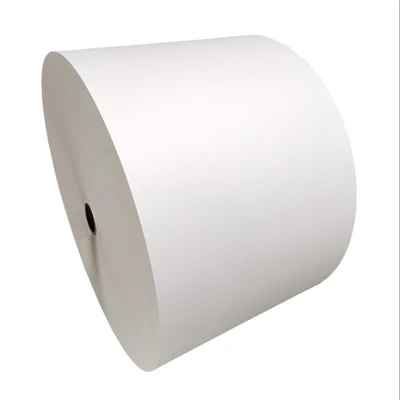
First, let’s start with the raw base, because that’s where the whole difference starts. Coated paper, at its core, is paper—thin, flexible, made from refined wood pulp that’s been beaten and processed to get a smooth, fibrous base. We (as coated paper suppliers) take that basic paper and slather on a thin coating, usually a mix of clay, calcium carbonate, and a binder like starch or latex. That coating is what makes the surface so smooth, bright, and ink-friendly; without it, paper would absorb ink like a sponge, leading to blurry text or smudges.
Cardboard? Yeah, that’s not paper at all—it’s a whole thicker, sturdier beast. Most cardboard you see is actually “container board” or “corrugated board,” made by gluing two flat linerboards (the outer layers) to a wavy middle layer called corrugated medium. The base here is coarser, more recycled in most cases, and way denser than the raw stock we use for coated paper. Think of it this way: coated paper is like a nice sheet of printer paper you’d use for a poster; cardboard is like the Amazon box that shows up on your porch. They’re both made from trees, but they’re put together for totally different jobs.
Next up, thickness and weight—this is where it gets concrete (pun intended) and where most people mix up numbers. Coated paper is measured in two ways: basis weight (pounds per ream of 500 sheets, usually 70 lbs to 150 lbs for common grades) or caliper (thickness in thousandths of an inch, usually 0.003 to 0.010 inches). It’s thin enough to fold easily, slide into an envelope, or be printed in a high-speed press without jamming. Cardboard? Way thicker. Corrugated cardboard is usually 0.020 inches or more, with the double-wall stuff (for heavy shipping) being 0.2 inches or thicker. Even solid cardboard (like the back of a notebook) is 0.012 inches minimum, way heavier than thick coated paper.
Surface finish is another big one, and this is my lane as a coated paper supplier. The coating we apply can be matte, gloss, or satin, and it does way more than make the paper look pretty. Gloss coated paper has a shiny surface that makes colors pop—perfect for product photos in magazines or luxury catalogs. Matte is flat, no glare, great for professional reports or business cards where you don’t want that plastic-y shine. Uncoated paper would never get that range of finishes, because it’s too porous. Cardboard, on the other hand, is usually only coated if someone needs a printed shipping box that looks good (like a premium brand’s mailer), but even then, the coating is heavier, more durable, and applied to a super thick base. Most standard cardboard is uncoated, relying on its corrugated structure for strength, not a smooth ink-receptive surface.
Durability and use cases—this is where the rubber meets the road. Coated paper is for things that need great print quality, flexibility, and not too much abuse. Think: brochure spreads, book covers, poster boards, business cards, direct mail postcards, product labels. It’s durable enough to handle being stuffed in a bag or mailed, but it’ll crumple if you drop a heavy box on it. Cardboard? It’s built for structural strength. Shipping boxes, product packaging, moving boxes, retail displays, the back of a spiral notebook, even the inserts that keep your new laptop from getting scratched. It can hold 50 lbs of books, protect fragile items, and stand up to being stacked in a warehouse for weeks. If you tried to use cardboard for a flyer, it’d be way too bulky and expensive; if you tried to use coated paper for a shipping box, it’d tear the second you lifted it.
Wait, but hold on—what about that “cardstock” you see at craft stores? That’s often confused with both, and it’s a gray area. Cardstock is basically heavy paper, sometimes coated, sometimes not, thicker than regular printer paper but thinner than cardboard. It’s used for greeting cards, invitations, scrapbooking. So it’s not exactly coated paper, and it’s definitely not cardboard, but it lands in the middle. I always tell customers: if you’re making a wedding invitation that folds nicely, cardstock is fine; if you need a product catalog with full-page glossy photos, go coated paper; if you need to ship a pair of headphones, get cardboard.
Another point: printing methods. Coated paper is the go-to for offset printing, digital printing, even high-volume flexography, because the smooth surface takes ink really well. The clay coating creates a uniform surface, so you get sharp text and vibrant colors. Cardboard is usually printed with flexography or lithography, but it’s trickier because the corrugated flutes can cause the ink to skip or the surface to be uneven. When we (coated paper suppliers) work with print shops, we make sure our coated paper is calibrated to work with every press type, which is why it’s such a staple in commercial print.
Let’s talk about cost, too—since that’s what everyone cares about. Coated paper is more expensive than uncoated paper, but still cheaper than cardboard (per square foot, that is). Wait, no—wait, actually, when you buy by weight, coated paper is pricier because of the clay coating, but because it’s thinner, you can fit more sheets in a ream. Cardboard is denser, so less volume for the same weight, and the manufacturing process (gluing the liner and medium) is more labor-intensive, so it’s usually more expensive per unit for large structural uses. If you’re making 10,000 product flyers, coated paper is the way to go; if you’re making 1,000 shipping boxes, cardboard is cheaper per box.
I’ve had customers come to me before saying, “I need thick cardboard for my book covers,” and I have to gently correct them—book covers are almost always coated paper, thick coated paper, sometimes 100 lbs gloss or matte, because you need the flexibility to fold the cover over the pages, not the rigid structure of cardboard. Another common mix-up: people think “cardboard boxes” are the only cardboard, but there’s also “paperboard” (sometimes called “solid bleached sulfate” or SBS), which is a thinner, white cardboard used for cereal boxes, lipstick tubes, and small product packaging. SBS is coated sometimes to make it printable, but it’s still way denser than coated paper.
Sustainability is a hot topic these days, so I should touch on that too. A lot of coated paper is made from recycled pulp, and the coating is now designed to be more recyclable (we’ve worked on that in our mill—no more bad binders that mess up recycling streams). Cardboard is super recyclable, like, almost all cardboard boxes get recycled, because the corrugated structure is easy to break down. But here’s the thing: you can’t recycle coated paper with regular paper easily if the coating is plastic-based, but most modern coated paper uses clay coating that’s compatible with paper recycling processes. Cardboard has more contaminants sometimes, like tape or labels, but it’s still one of the most recycled packaging materials out there.
Wait, let’s test with a real example you’ve probably seen. Next time you go to the grocery store, look at a cereal box: that’s paperboard, a type of cardboard. It’s thick, rigid, has a glossy or matte coating so the printed cereal photos look good. Now look at the magazine you picked up while waiting in line: that’s coated paper. It’s thinner, flexible, the photos are super vibrant, and you can fold it without it cracking. The Amazon box you get that same week? That’s corrugated cardboard, wavy in the middle, thick, meant to hold stuff. That’s the line right there.
So to wrap this up: coated paper is a thin, flexible paper with a clay-based coating for smooth, vibrant prints, used for flyers, catalogs, business cards, posters. Cardboard is a thick, dense structured material (usually corrugated or solid) designed for strength, used for shipping boxes, packaging, retail displays. The middle ground is cardstock, great for small, flexible paper goods like invitations.
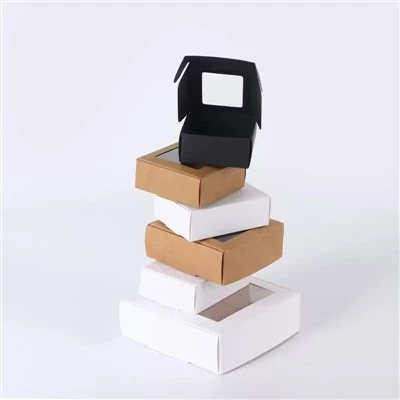
If you’re still not sure which one you need—whether you’re a small business looking for marketing materials, a brand designing custom packaging, or a print shop placing a bulk order—hit me up to chat through your project. I can walk you through different coated paper grades, thicknesses, and finishes that’ll fit your needs, or even point you to trusted packaging partners if cardboard is what you’re after. No pushy sales talk, just honest advice from a coated paper supplier who’s been in the game long enough to know the difference between a great print run and a flop.
References
Food Wrapper TAPPI. "Paper and Paperboard Terminology." Technical Association of the Pulp and Paper Industry, 2022.
Printing Industries of America. "Coated Paper Grades and Applications." PIA, 2023.
Corrugated Packaging Association. "Anatomy of Corrugated Board." Corrugated Association International, 2021.
Zhejiang Xinzhongxin Paper Industry Shares Co., Ltd.
With abundant experience, we are one of the most professional coated paper manufacturers and suppliers in China. Please rest assured to buy bulk premium coated paper for sale here from our factory. If you have any enquiry about cooperation, please feel free to email us.
Address: NO.391-2, CHANGHE ROAD, CHANGAN, HAINING, ZHEJIANG
E-mail: info@xzxpaper.com
WebSite: https://www.zhongxinluhuan.com/
