Hey there, fellow water supply folks and small business owners! If you’ve ever woken up to a frozen pipe at 2 a.m. – not fun, right? As a water supply equipment supplier, I’ve had way too many customers call me panicking in the middle of winter, their systems down because their gear got frosted solid. Today, I’m breaking down exactly how to keep your water supply equipment from freezing this cold season – no fancy jargon, just real, actionable stuff we use with our own clients. Let’s dive in. First, let’s be honest: water expands when it freezes, and that’s a problem. It’s like your pipes or tanks turn into tiny, ticking time bombs. A 1-inch pipe can burst when it freezes, sending water all over your basement or shop, costing you thousands in repairs and downtime. So prevention isn’t just “nice” – it’s necessary. I’ve picked up a few tricks over the years, both for residential and light commercial gear, that actually work. Let’s start with the basics people often skip: sealing up gaps and drafts. A lot of equipment freezes not because it’s super cold, but because cold air is seeping in through uninsulated walls, crawl spaces, or gaps around utility lines. You know those little holes where your water lines run through the foundation? Stuff them with foam insulation – the closed-cell kind, not the fuzzy fiberglass that lets air slip through. For crawl spaces, even a cheap plastic sheet over the floor helps a ton; it keeps cold moisture from sitting right under your gear. I had a customer last winter who swore his pump was “broken” until we found a gap in his crawl space door. Sealing that fixed 90% of his freezing issues. Next up: insulation that actually fits. Not all insulation is the same for water supply gear. For exposed pipes – like the ones running along your garage wall or outside a shed – pick foam pipe insulation with a self-sealing slit. It’s easy to wrap around, no tape mess, and it traps heat from the water inside. For larger tanks or water heaters, use pre-cut fiberglass blankets with a vapor barrier. Don’t just wrap it once and call it done; overlap the edges by a few inches, and use metal clips to hold it in place. I’ve seen customers use duct tape, which gets brittle in the cold and falls off in a week. Waste of time and money. Pro tip: if you have valves or meters, make sure you insulate those too – they’re often the first part to freeze because they don’t hold as much warm water as pipes. Now, what about keeping the water moving? Stagnant water is way more likely to freeze than water that’s flowing. For residential folks with outdoor spigots: disconnect all hoses before the first hard frost, shut off the water to the outside lines inside your house, and open the spigot to drain any leftover water. That’s a non-negotiable. For commercial systems with unused lines, if you can’t drain them, trickle the water – just a slow drip (not a gush) from a faucet. It might waste a tiny bit of water, but it’s way cheaper than replacing a burst pipe. We even have clients with holiday displays or outdoor irrigation systems that use a small recirculation pump for unused lines – it keeps water moving without wasting more than a gallon an hour. That’s a game-changer for busy shops that can’t shut down their systems in cold snaps. Heat is another big one. You don’t need to crank your heat to 80 degrees to protect equipment, but keeping the space around your gear above freezing is key. For basements or utility rooms that feel drafty, a small space heater (the kind with a tip-over shutoff) works great – just make sure it’s not too close to insulation or flammable stuff. For outdoor equipment – like above-ground pumps or small water tanks – heat cables are the go-to. Wait, not just any heat cables: get the ones designed for water supply lines, not electrical wires. They have a thermostat that turns on only when temps drop below 32°F, so you’re not wasting energy on warm days. Install them along the top of pipes (not wrapped tight around, that can overheat) and secure them with electrical tape. I’ve had a few people tell me heat cables “didn’t work” because they installed them wrong – wrap too tight, no thermostat, or forgot to plug them in. Oops. One thing a lot of pros overlook: checking your equipment’s condition before winter hits. Old pipes with small cracks or leaks can let cold air seep in, making them way more prone to freezing. This is where working with a water supply equipment supplier comes in – we can do a quick pre-winter check to make sure your lines, pumps, and tanks are in good shape. Last year, we found a hairline crack in a customer’s above-ground tank that was letting cold air inside. We sealed it up, added insulation, and he didn’t have any issues all winter. If you’re not sure what to look for, give us a shout – we’ll walk you through it. Now, what if something does freeze despite your best efforts? Don’t panic – turning on a blow dryer (not a torch, that’s way too hot and can melt pipes) to the frozen section works for small pipes. Start from the end of the pipe and work your way toward the fixture, so the thawed water can escape. For larger tanks or bigger pipes, call a pro – too much heat too fast can cause a burst, and you don’t want to deal with that mess. And here’s the thing: a lot of people wait until a freeze is forecast to do something. Don’t. Prepping in November (or whenever the first cold snap hits) is way easier than rushing around when the weather drops to 20 degrees. We send out pre-wwinter checklists to all our regular customers, and it cuts their freezing calls by like 70% – simple stuff, like disconnecting hoses, checking insulation, and making sure heat cables are working. Wait, let’s talk about common mistakes I see every year. First, using outdoor fixtures indoors. If you have a faucet that’s near an outside wall, even inside, it can freeze if the wall is uninsulated. We always recommend moving indoor faucets that are close to exterior walls to warmer spots, or adding extra insulation to the wall. Second, not checking meter boxes. Your water meter is underground, but if the box isn’t filled with insulation (like straw or foam peanuts), the cold can seep in and freeze the meter. That’s a huge headache – replacing a meter is way more expensive than adding a little insulation around the box. Third, forgetting about backup power. If you rely on electric pumps, a power outage in the middle of a freeze is a disaster. A small generator – even a portable one that runs your pump and a space heater – is a good investment for commercial setups. For residential, keep a battery-powered water pump backup if you have a well, so you still have water even when the power’s out. I know this stuff sounds basic, but you’d be shocked how many people skip these steps every year. Last winter, we had a client who installed heat cables, but didn’t test them before a cold snap. The cable was frayed, so it didn’t work, and his pump froze solid. We got it thawed, replaced the cable, and he’s been testing them every fall since. It’s those little checks that make all the difference. As your water supply equipment supplier, our goal isn’t just to sell you gear – it’s to make sure that gear works for you, no matter the temperature. If you’re not sure how to insulate your system, pick the right heat cables, or even just want a second set of eyes for a pre-winter check, hit us up. We’ll walk you through everything, no sales pressure, just real advice that’s worked for hundreds of our customers. Freezing doesn’t have to be a winter nightmare. A little prep, the right insulation, and keeping water moving are the keys. Don’t wait until your pipe bursts – take 30 minutes this week to go check your gear, and you’ll thank yourself when the first cold snap hits. Now, if you’re looking to upgrade your water supply equipment or stock up on insulation, heat cables, or other winter prep supplies, we’re here for you. Just reach out to connect and we can chat through what works for your specific setup. No generic solutions, just what actually works for your space and needs. Water Supply Equipment
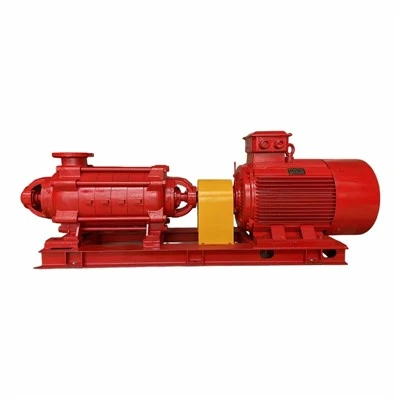
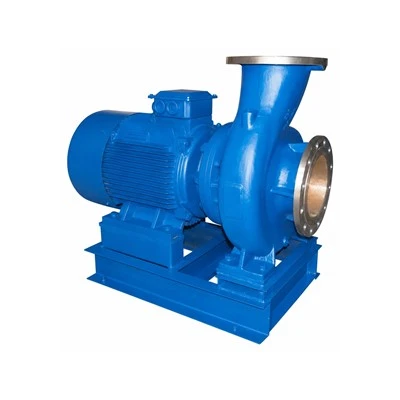
Clean Water Centrifugal Pump References
- American Society of Plumbing Engineers. (2022). Cold Weather Protection for Water Piping and Equipment. ASPE Press.
- Residential Energy Services Network. (2021). Winterization Best Practices for Plumbing Systems. RESNET.
- International Association of Plumbing and Mechanical Officials. (2023). Cold Climate Water Supply System Guidelines. IAPMO.
Zhejiang Kaicheng Pump Valve Co., Ltd.
Zhejiang Kaicheng Pump Valve Co., Ltd. is one of the most professional water supply equipment manufacturers and suppliers in China, also supports customized service. We warmly welcome you to buy advanced water supply equipment made in China here and get quotation from our factory. For price consultation, contact us.
Address: No.501 Zhangbao North Road, Dong ou Industrial Park, Oubei town, Yongjia, Zhejiang Province, China
E-mail: sales@cnkcmp.com
WebSite: https://www.kcmpumps.com/
