Hey everyone, let’s cut to the chase—if you’re running a CNC machine and it just crashed, that split second of panic is real. Maybe you forgot a workpiece clamp was loose, or your G-code had a typo, or that 3D model you imported had a tiny error you missed in CAM. I’ve seen this way too many times, both in our shop and with our customers, so I’m not here to give you some corporate script straight out of a manual. Let’s walk through what actually works, no fluff, especially since I’m on the CNC machine tools supplier side of things—we’re right there with you when this hits. CNC Machine Tools

First off, stop. Like, right now. Don’t hit “reset” first—yell, or push the big E-stop button if you need to, but don’t waste a second trying to “fix” it while it’s still running. I can’t tell you how many times a customer has tried to nudge the axis back into place mid-crash and ended up with a broken tool, a bent spindle, or even worse debris flying. That E-stop isn’t just a red button for show—it’s your first line of defense, and don’t feel dumb for hitting it. Even our top-tier industrial CNCs at our shop had one minor crash last quarter when a new operator was testing a custom job, and the E-stop stopped anything from shattering the work envelope.
Once it’s fully stopped, step back for 10 seconds. Breathe. Your first instinct is to dig in and fix everything right now, but rushing here makes mistakes way more likely. I’ve seen a part operator yank a broken tool out before the machine had fully settled, and that loose metal chip landed right in the linear guide—cost us an extra $2k in repairs. Take 10 whole seconds, no phone, no talking to your buddy, just observe. What’s making that weird grinding noise? Is the spindle tilted? Did a tool break off and get wedged between the worktable and the vise? Don’t touch anything yet—you want to get a clear picture before you move parts around.
Next, document everything before you even touch the machine. I know, I know, this sounds like a box-ticking task, but it’s crucial. Grab your phone (now that it’s safe) and snap photos of the whole mess from every angle, then zoom in on the broken parts, the G-code, the workpiece, even the vise setup. Our service techs get so many calls from customers who say “the machine just crashed, I don’t remember what it looked like” and that makes diagnosing the problem way harder. We once had a small shop that crashed their router trying to cut a 1-inch thick MDF, and they deleted the G-code right after—their photos saved us an extra trip to their site because we could tell the feed rate was way too high just from looking at the scrap. Also, note the time, the job number, who was operating it—small details that end up being big later.
Now, figure out the immediate damage, but do it gently. Start with the most obvious stuff: is the tool broken? If you see a snapped end mill or drill bit, don’t try to pull it out with pliers—you’ll scratch the spindle taper, which can throw off all your tool offset measurements. If you need to remove a broken tool, follow the machine’s manual instructions, or if you’re not sure, text our 24/7 support line (we keep that open for exactly this stuff) before you mess it up. Next, check the work envelope for loose debris—metal chips, broken workpiece bits, anything that didn’t fly out when you hit E-stop. Those tiny metal shavings are the worst because they get lodged in the linear rails or ball screws and cause way more problems over time. Use a soft brush, not a metal scraper, to get them out—metal on metal here is a recipe for scratches.
If you didn’t break anything big, now it’s time to check the offsets and the work coordinates. This is where a lot of small crashes mess you up for the next job. When the machine crashed, the axes probably shifted a tiny bit—maybe the Z-axis dipped too far, so your work offset (G54 or whatever you use) is totally off. We recommend putting a test square or a piece of aluminum scrap in the vise, running a simple 1-inch square cut, and measuring it. If it’s off by more than a few thousandths, you need to reset your offsets—most machines have a quick “set offset” function, but if you’re not sure, don’t guess. Guessing here leads to more crashes, trust me. I’ve seen a customer try to eyeball an offset and ended up cutting a hole right through their worktable.
Now, the big question: do you fix it yourself, or call for help? Let’s be real—some of this is easy, some is not. If you just broke a 1/8 inch end mill, cleaned out a few chips, and your test square cut perfect, you’re probably good to go. But if you notice the spindle is tilted, or the linear rails look scratched, or the machine won’t move the axes smoothly when you jog it? That’s when you reach out. Here’s the thing: as your CNC supplier, we don’t want you to mess up your machine more just to save a quick buck. Our service team is here for stuff like this, and we’ve fixed 100+ crashes in the last year alone, from small shop routers to industrial 5-axis mills. We also do free crash damage assessments for our customers—no fine print, no pressure to buy more machines, just guys who know these things inside and out.
Wait, let’s talk about why crashes happen in the first place, because if you’re here, you probably want to avoid this next time. I’m not gonna blame anyone—we’ve all been there: a new operator in a hurry, a CAM post-processor that glitches, a tool you thought was calibrated wrong, even a workpiece that shifted mid-job because your clamp was too tight in one spot. That’s why we offer free operator training for all our machines—even the ones that aren’t super basic. Last month, a customer who bought our entry-level vertical mill told us they stopped having crashes after our 2-hour training, because we taught them how to double-check tool offsets before every job, and how to run a dry run on air first for new G-code. That’s the kind of value we care about, not just selling you a machine and ghosting you.
Also, don’t skip regular maintenance. A lot of people forget that a tiny, unaddressed issue can turn into a crash. If you haven’t lubricated the linear rails in 3 months, that’s a problem. If your spindle hasn’t been serviced in a year, that’s a problem. We send maintenance reminders to all our customers, and it’s not just a sales tactic—keeping your machine well-lubed, your tools sharp, and your axes calibrated prevents 70% of the crashes we see. I can’t count how many times a customer said “my machine crashed out of nowhere” and it turned out their ball screw was low on grease, so it seized up mid-cut. That’s preventable, and we make maintenance easy with our affordable service plans.
Now, let’s wrap this up with a few no-BS tips I’ve picked up over the years, straight from our team on the shop floor and our service calls: 1) Always run a dry run for new jobs—same G-code, same tool, just no workpiece, so you can watch the axes move before you cut actual material. We make that super easy on all our machines, with a one-click dry run button. 2) Label your G-code clearly—don’t have 10 files named “job1” and “job1_final” and “job1_final_final”. That typo where you load job5 instead of job2 is a super common crash cause. 3) Keep extra parts and tools on hand—we sell discounted tool kits and replacement work clamps for our customers, and having those ready means you don’t panic-order a tool mid-crash and get the wrong size.
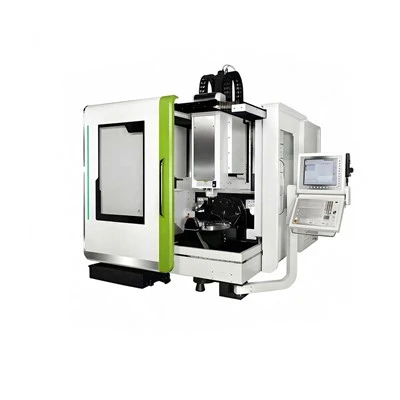
If you’re reading this and you just went through a crash, don’t stress. Every CNC operator has at least one crash in their career—mine was when I was 22, running a mill that cut through a vise because I forgot to double-check the work offset. It’s not a failure, it’s a learning moment. But if you need help, we’re here. Whether you need to walk through checking for damage over the phone, book a service tech to come out, or just talk through what went wrong so you don’t do it again, our team is ready. We don’t do pushy sales calls—we do real support for people who run CNC machines, because we’re the same people who’re up at 5 a.m. troubleshooting a last-minute job for a customer.
CNC Machine Tools At the end of the day, crashing a CNC machine is a hassle, but it doesn’t have to be a disaster. Follow those first steps: stop, step back, document, assess, test, and don’t be afraid to ask for help. If you’re in the market for a new CNC machine tools setup, or you need support with the one you already have, reach out—we’d be stoked to chat, no pressure, just real talk from folks who know this space inside and out. No jargon, no fine print, just people who get that running a CNC shop is hard, and we’re here to make it a little easier when things go sideways.
References
- CNC Machine Tools Crash Investigation and Prevention Guide, Machinery’s Handbook, 31st Edition
- Occupational Safety and Health Administration (OSHA) Guidelines for CNC Machine Operation and Emergency Response
- Our Team’s On-Site Repair Logs, 2023–2024, Internal CNC Machine Tools Customer Support Records
- CAM Software Compatibility and G-Code Error Analysis, Manufacturing Engineering Society (MES) 2023 Conference Proceedings
Yuhuan County ZheXuan Machinery Factory
As one of the most professional CNC machine tools manufacturers and suppliers in China, we’re featured by high quality customized products. Please rest assured to wholesale bulk CNC machine tools in stock here from our factory. Also, quotation is available.
Address: Xiafan Village, Qinggang Town, Yuhuan City
E-mail: zxjc1313@126.com
WebSite: https://www.zxmachinetool.com/
