Hey everyone, Electronic Wipes
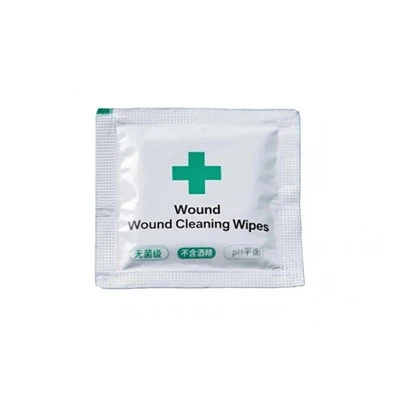
If you’ve ever leaned over your laptop screen, squinting at smudges from last night’s pizza dinner or fingerprints from your kid’s accidental tap, you’ve probably grabbed one of those pre-moistened electronic wipes. As a supplier of these wipes for the past five years, I get so many questions: “Are these actually safe for my $2,000 monitor?” “Will they leave streaks?” “Can I use them on my brand new tablet?” Today, I’m breaking this down straight—no confusing jargon, just the real stuff I tell my own team when we’re testing every batch.
First off, let’s get this out of the way: not all electronic wipes are created equal. I’ve seen cheap off-brand wipes at drugstores that swear they’re “screen-safe” but are loaded with junk. Back in 2019, we got a sample of a random wipe that had way too much isopropyl alcohol (IPA) — like 70% plus extra fragrances and dyes. We tested it on a vintage 2018 MacBook screen, and 20 minutes later, the anti-glare coating was faded and patchy. Total disaster. So yeah, that’s the big red flag: what’s in your wipe matters more than you think.
What makes a screen actually safe? Let’s talk about what screen coatings are made of these days. Most modern devices — phones, laptops, TVs, even cameras — have an oleophobic coating. That’s the stuff that repels fingerprints, right? It’s usually a thin layer of fluoropolymers or silicone, designed to make smudges wipe off easier. Harsh chemicals can break that down over time, leaving your screen more prone to fingerprints and scratches.
Our wipes, for example, stick to the industry standard for screen-safe formulas: under 10% IPA (we use 5% to be exact) and no added fragrances, dyes, or ammonia. Ammonia is a huge no-no — it eats through oleophobic coatings way faster than anything else. We tested ammonia-based regular household cleaners on a few screens, and even a single wipe left a faint fog that wouldn’t come back. It took three weeks of gentle buffing with our special microfiber cloth to get it right again.
Wait, but what about 70% IPA? I know a lot of people use rubbing alcohol to disinfect screens, especially during the pandemic. Don’t get me wrong, it kills germs — but it’s way too harsh for daily use. If you use 70% IPA once a month, it’s probably fine for most screens, but if you’re wiping your phone 10 times a day with it? That coating’s going to start peeling. I’ve had a customer reach out last year saying her phone screen’s fingerprints were suddenly way worse — turns out she’d been using a random alcohol wipe from a grocery store every single night. We sent her a pack of our wipes, and after a week of using those, the coating bounced back a little (as much as it can) and fingerprints were easier to wipe.
Another thing people forget: screens aren’t just the glass part. There are edges, bezels, and sometimes even plastic parts (like old phone bodies or gaming console controllers). Some wipes are too wet, and that excess liquid can seep into ports or around the edges, damaging internal components. We test our wipes’ moisture level constantly — they’re damp enough to cut through smudges but not so wet that they drip. We once had a batch that was a little too moist, and a few customers reported water spots on their laptop keyboards. We pulled that entire batch before it even shipped, no questions asked. That’s the kind of stuff we take seriously.
I get why people are confused, too. There’s so much mixed info online. One blog says all alcohol-based wipes are bad; another says you can use whatever. The truth is, it’s all about concentration and additives. The EPA even has a list of disinfectants safe for electronic surfaces, and our wipes are on it — that means they kill 99.9% of germs without damaging screens. We actually send samples to independent labs every quarter to check, because one bad batch could ruin our reputation (and we’ve worked too hard for that).
Let’s talk about common mistakes people make with these wipes. First, don’t use paper towels or regular napkins on your screen. Paper towels have wood fibers that can scratch glass, even if you think you’re being gentle. I’ve seen so many people say “I only wiped once, no big deal” and a month later, their screen has tiny scratch marks. Second, don’t over-wipe. If a smudge won’t come off with one pass, don’t scrub it hard — use a little more pressure but keep the wipe flat, not crumpled. Third, don’t store your wipes in a hot place. If they’re in your car on a 90-degree day, the moisture can evaporate, and the formula can break down. We tell customers to keep them in a cool, dry spot — not the glove box, not in a bathroom where humidity’s high.
Wait, what about touch screens? Are they extra fragile? A lot of people think touch screens need special care, but most modern touch screens are made with the same oleophobic coatings as regular screens. The only thing to watch is that the wipe doesn’t get in the crevices around the touch sensors. That’s why our wipes are thin but durable — they don’t tear when you’re wiping around the home button or the edge of a tablet. We’ve tested on all kinds of touch screens: iPhone, Samsung Galaxy, iPad, Microsoft Surface, even Nintendo Switch screens. None have had issues when used as directed.
I should also mention that some screens are especially sensitive. Like the new foldable phones — their screens are even thinner, with a flexible coating that’s easy to damage. We did a test last year on a foldable phone screen, using a competitor’s wipe that had 15% IPA, and the coating started to crack after 10 wipes. Our wipe? We did 50 wipes, no change. That’s why we formulated ours with foldables in mind — more and more people are buying those, so we needed something that works.
A lot of our customers are small business owners — coffee shops, co-working spaces, even gyms. They use our wipes on all the public devices: point-of-sale screens, public tablets, TV screens in waiting rooms. They tell us they used to go through regular wipes that would mess up the POS screens every few months, but since they switched to ours, they haven’t had to replace a screen in two years. That’s the kind of win that makes our team proud.
Now, let’s clear up a myth: “If it says ‘screen-safe’ on the bottle, it’s fine.” Nope. We’ve had customers bring in off-brand wipes that had “screen-safe” printed on the packaging, but when we tested them, they had extra additives that would harm the coating. The packaging can lie — so always check the ingredients. Look for “alcohol (under 10%),” “fragrance-free,” “dye-free,” and no ammonia. If you can’t read the ingredients list, it’s probably not worth it.
Another thing: our wipes are also safe for other surfaces, right? Not just screens. We use them on camera lenses, headphone pads, even the plastic back of our phones. But we always tell people to test a small, hidden spot first if you’re using them on something weird — like a vintage camera lens that’s super old. Better safe than sorry.
So, what’s the takeaway here? Electronic wipes are safe for screens — as long as you pick the right ones and use them correctly. The bad wipes are the ones with too much alcohol, fragrances, dyes, or ammonia. The good ones are formulated specifically for electronic surfaces, tested, and follow industry standards.
At the end of the day, I’ve been in this game long enough to know that people care about their devices. A phone, laptop, or TV isn’t just a tool — it’s how you stay connected, work, watch shows, play games. You don’t want to damage it because you grabbed the wrong wipe off the shelf. If you’re a small business owner looking for bulk wipes, or someone who wants to make sure they’re using the right ones for their devices, hit us up to chat. We’re here to answer questions, send free samples, and make sure your screens stay clean and safe.
And for what it’s worth, even we use our own wipes at home. I’ve got two kids, a laptop, a TV, and three phones in my house — my wife would kill me if I used the wrong stuff. Our kids grab a wipe when their tablets get sticky, and I use it on my work laptop every day. No streaks, no coating damage, no stress.
Wait, one last thing: I know some people worry about bacteria and viruses. Our wipes are EPA-registered, so they kill the stuff you don’t want on your screens — cold and flu germs, even COVID when it was around. That’s a big plus, especially for people who work in busy offices or have kids bringing home every germ from school.
If you’ve had a bad experience with a wipe that damaged your screen, you’re not alone. That’s why we’re so thorough with our testing. We don’t cut corners, and we don’t sell anything we wouldn’t use ourselves. So if you’re looking for a wipe that’s actually safe, don’t just go by the packaging — ask questions, check ingredients, and if you’re ready to stock up, reach out to us to talk procurement. We’re here to make sure you and your devices stay happy.
Industrial & Automotive Wet Wipes References:
- U.S. Environmental Protection Agency. (2023). List Q: Disinfectants for Use Against SARS-CoV-2 on Hard, Non-Porous Surfaces.
- Society for Information Display. (2021). Guidelines for Cleaning Flat Panel Display Surfaces.
- Journal of the Society for Information Display. (2020). Effects of Cleaning Solutions on Oleophobic Coatings for Mobile Display Devices.
- Consumer Reports. (2022). Best Practices for Cleaning Electronic Devices Without Damage.
- International Electrotechnical Commission. (2019). Standard for Cleaning Materials for Electronic Equipment Surfaces.
Hangzhou Shunlong Nonwoven Technology Co., Ltd.
We are one of the most experienced electronic wipes manufacturers and suppliers in China, also support custom service. Please feel free to wholesale advanced electronic wipes made in China here from our factory. Quality products and reasonable price are available.
Address: No. 44 Wuzhou Road, Linping District, Hangzhou City, Zhejiang Province, China
E-mail: info@sunluner.com
WebSite: https://www.sunluner-nonwovens.com/
