Hey everyone, if you’ve ever been around a screw feeder in a production line, you’ve probably noticed a low hum that’s easy to brush off—until you’re trying to pinpoint why your team’s complaining about unexpected noise on the shop floor. As a screw feeder supplier who’s talked to hundreds of manufacturers over the years, I get so many questions about noise levels: “Is this normal?” “Is it damaging my equipment?” “How do I keep it from distracting workers?” Today, I’m breaking down what you actually need to know about screw feeder noise when they’re running, no jargon, no fluff. Screw Feeder
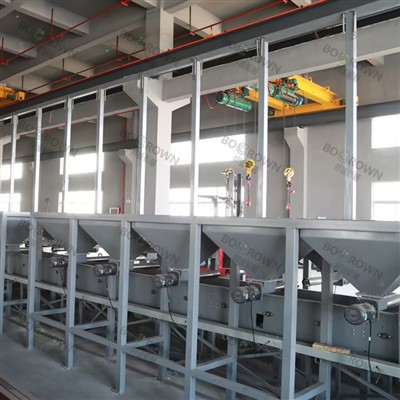
First, let’s set the baseline: most standard screw feeders—think the ones we make for packaging, pharmaceutical, or small-part assembly lines—operate at a noise level between 55 and 75 decibels (dB). Wait, let me put that in terms you can picture: a normal conversation at your desk is around 60 dB, so a quiet screw feeder is roughly that chatty office level; a louder one? That’s about the same as a vacuum cleaner running inside your house. But here’s the thing: that number isn’t one-size-fits-all. It shifts a ton based on what the feeder’s doing, what it’s made of, and even how well you maintain it.
Let’s dive into the factors that actually move that needle, because if you’re a production manager trying to optimize your line, this is where the answers live. First up: the material you’re feeding. If you’re running soft, light stuff—like plastic pellets or small pill tabs—your feeder’s internal parts (the screw, the housing, the drive motor) don’t have to work hard. Those materials glide through, so friction’s low, noise stays on the lower end, closer to 55-60 dB. But crank up to dense, abrasive materials—metal fasteners, heavy plastic granules, even bulk food items like hard candy? That’s when noise spikes. Abrasive stuff scrapes against the screw and housing more, creating that higher-pitched grind we all hate. We’ve had clients with metal parts lines see noise hit 72-75 dB, right at the upper end of the standard range.
Next, the feeder’s design and build quality. I can say this because I build these things every day: a cheap, off-the-shelf screw feeder will almost always be louder than a properly engineered one. Cheaper units often use thin sheet metal housings that vibrate easily; that vibration turns into noise. A good screw feeder (like the ones we produce) uses thicker, reinforced housings and sometimes adds internal damping materials to absorb that vibration. Even the screw itself matters: a precision-machined screw with a tight, consistent fit to the housing makes less noise than a worn, loose one that rattles as it turns.
Then there’s operation speed and load. If you’re running your feeder at max speed just to push more product through, that’s another big noise culprit. Faster rotation means more friction, more vibration, more sound. Overloading the feeder too? When you stuff more material into the screw than it’s designed to handle, the motor has to work harder, the screw strains, and that’s when you get that deep, gritty roar no one wants. We always tell clients: match your feeder’s speed and load to the material and your line’s output—running it hotter than necessary is a quick way to jack up noise, and it also shortens the feeder’s lifespan.
Wait, what about when noise gets too high, like over 75 dB? That’s the red flag zone. OSHA (Occupational Safety and Health Administration, for anyone who doesn’t know) says workers shouldn’t be exposed to noise over 85 dB for 8 hours a day, so anything above 75 is worth investigating. That kind of excessive noise usually isn’t normal—it’s a sign of a problem. Common issues? Worn bearings in the drive system, a loose screw shaft, unbalanced screw blades, or even material building up inside the housing that’s scraping instead of moving. We had a client last quarter who kept complaining their feeder was “suddenly way louder” and came to us for a tune-up. Turns out, a chunk of plastic had broken off inside the housing over time, wedging itself between the screw and the wall. Once we cleaned that out, noise dropped 10 dB right away—crazy how a tiny blockage can make that much racket.
Another point: indoor vs. outdoor installation. If your feeder’s sitting in an open factory space with hard concrete walls, that sound bounces around instead of absorbing, so it feels way louder than the actual decibel level. We recommend adding sound-dampening panels around the line if noise is a workplace concern—super easy fix, no big investment needed.
Now, a lot of folks ask: can I make my screw feeder quieter without buying a whole new unit? Yep, most of the time it’s small, low-cost changes. First, regular maintenance—lubricating bearings, tightening loose bolts, inspecting the screw for wear, and clearing material buildup every few weeks goes a long way. We have a free maintenance checklist we send all our clients, and it cuts down noise complaints by like 80% for repeat users. Second, pick the right feeder for your material. If you’re switching from plastic pellets to metal fasteners, don’t try to cram a light-duty feeder into that job—upgrade to a heavy-duty model designed for abrasive materials, and you’ll see way lower noise and way fewer breakdowns. Third, add vibration mounts under the feeder. Those little rubber or foam pads absorb the movement of the screw and motor before it turns into airborne noise; it’s like putting noise-canceling headphones under your machine.
Wait, let’s address a common myth: some people think all screw feeders are loud, no matter what you do. That’s not true. When we design our feeders, we test them in an anechoic chamber (that room with the foam wedges that absorbs all sound, basically) to make sure they’re within safe, comfortable noise levels. We’ve got clients in pharmaceutical and electronics manufacturing where noise has to be super low because workers are doing delicate assembly next to the line—those clients use our precision-engineered quiet models, which clock in at 52-58 dB, quieter than a normal conversation.
I also want to touch on why this matters beyond just worker comfort. Excessive noise isn’t just annoying—it’s a safety hazard. If a machine is suddenly way louder than usual, that’s a warning something’s broken; if you can’t hear that noise because the line is always loud, you might miss a small problem turning into a major breakdown that shuts your whole production down. Plus, OSHA fines for repeated noise violations can add up fast—we’ve had clients pay thousands because they didn’t address excessive feeder noise early on.
So, to wrap this up: the noise level of a typical screw feeder during operation is 55 to 75 dB, with a lot of variables shifting that number. If your feeder is under 70 dB, that’s totally normal. If it’s over 75, or it’s gotten louder all of a sudden, it’s time to check for wear, overloading, or material buildup. Small maintenance tweaks and the right feeder for your application will keep noise low and your line running smoothly.

If you’re currently dealing with noise issues on your screw feeder line, or you’re shopping for a new feeder that fits your noise and performance needs, we’re here to help. We’ve helped dozens of clients troubleshoot noise problems and find the right feeder for their specific materials and space. Reach out to our team to discuss your needs—no pressure, just straight talk about what works for your operation.
PVC Additives Dosing Machine References
- Occupational Safety and Health Administration (OSHA). Noise Control in the Workplace. U.S. Department of Labor, 2022.
- Manufacturing Engineers Association. Noise Reduction for Production Equipment. MEA Technical Bulletin, 2021.
- International Organization for Standardization (ISO). Mechanical Vibration and Noise: Guidelines for Noise Control of Industrial Machines. ISO 11200, 2020.
- Screw Feeder Manufacturer’s Association. Performance Standards for Industrial Screw Feeders. SFMA Best Practices Guide, 2022.
ZJG BC Machinery Co., Ltd.
As one of the most professional screw feeder manufacturers and suppliers in China, we’re featured by quality products and good price. Please rest assured to buy cost-efficient screw feeder for sale here from our factory. Contact us for custom service and OEM service.
Address: No.8 Lexi Road, Leyu Town, Zhangjiagang City
E-mail: sales@bcextruder.com
WebSite: https://www.bcextruder.com/
