As a rock wool mat supplier, I get asked one question more than any other—probably because it’s such a practical, make-or-break detail for contractors, DIYers, and even small builders: Is rock wool mat easy to cut? Let me cut to the chase for anyone tired of vague answers: Yes, but only if you understand the material’s properties, use the right tools, and skip the common mistakes that turn a 10-minute job into a 2-hour frustration. I’ve been in this space for 12 years, working with warehouses of rock wool mats, walking job sites, and fielding calls from folks who either nailed the cut cleanly on their first try or sent a stressed voice note about struggling with crumbly, uneven edges. This isn’t guesswork—it’s the stuff I’ve learned shipping over 2 million square feet of rock wool mats, and I want to pass that on so you don’t have to. Rock Wool Mat
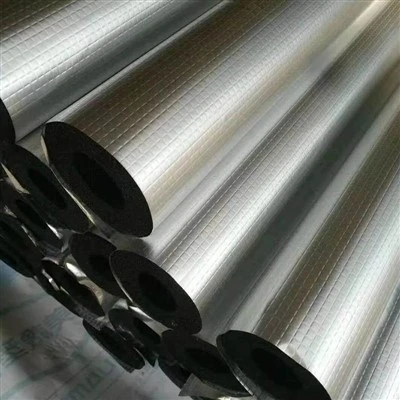
First, let’s ground this in what rock wool mat actually is, because “easy to cut” depends a lot on what you’re cutting. Rock wool (sometimes called mineral wool) is made by spinning molten basalt and slag into fine fibers, then compressing them into flexible, mat-style panels with a binder that hardens when cured. There are two main types of rock wool mats most people work with: faced and unfaced. Faced mats have a thin scrim of fiberglass or aluminum foil bonded to one side—this is the kind you’ll use for exterior wall insulation, where you need a vapor barrier. Unfaced is bare, fluffy fiber, best for interior partitions or soundproofing. Both cut differently, and neither is as tricky as people make it sound if you match the tool to the mat.
I’ve seen new customers grab a regular utility knife, saw through a faced mat, and end up with edges that leave little fiber dust everywhere. That’s because a dull knife or wrong tool doesn’t slice the fibers—it tears them. The key here is that rock wool’s fibers are brittle but uniformly aligned when compressed into a mat, so a sharp tool that makes a clean, single pass will cut through them without tearing. For most faced rock wool mats, a heavy-duty utility knife with a fresh, hooked blade works better than a straight blade, because the hook catches the edge of the scrim without pulling it off the mat. Last quarter, a HVAC installer in Chicago told me he used a cheap straight blade and spent 45 minutes fixing a torn foil face on every second mat before he switched to hooked blades. That’s the kind of small tweak that makes all the difference in how “easy” the job feels.
Wait, but what about unfaced mats? These are the softer, fluffier ones, often used for sound insulation in apartments or home theaters. You might think a softer material would be harder to cut because it bends, but actually, the opposite is true—if you use a serrated knife, like an electric kitchen knife or even a band saw, you can get smooth, straight cuts fast. I once watched a DIYer cut a 4×8 unfaced mat in 12 minutes with a bread knife, and the edges were so clean he didn’t need to sand them before fitting them into wall studs. The mistake here is trying to use a straight utility knife on a soft unfaced mat—because the mat bends as you cut, the blade wanders, leaving a wobbly edge that doesn’t seat properly. That’s a small error that leads to gaps in insulation or sound leaks, which then makes the whole job feel like a mess.
Let’s talk about a common myth: people say rock wool is hard to cut because it’s dense. Wait, rock wool density varies—standard mats for wall insulation are 3 to 5 pounds per cubic foot, which is dense enough to resist compression but not so thick that it’s like cutting concrete. Even our high-density mats (for industrial equipment insulation, around 8 pounds per cubic foot) are still easier to cut than rigid foam boards, in my experience. Rigid foam crumbles if you don’t score it just right, but rock wool’s fiber structure is forgiving. I’ve had a customer use a jigsaw with a fine-tooth metal blade to cut a curved edge in a high-density mat for a custom duct wrap, and it went smoother than cutting a piece of plywood. That’s not to say it’s impossible to mess up—just that the density is a non-issue if you pick the right tool.
Now, let’s cover the pitfalls that make people think rock wool is hard to cut. First, not scoring before cutting. If you’re using a utility knife on a faced mat, you don’t want to just press down and saw through. You need to score the line 2 to 3 times with the blade (keeping the blade shallow enough that you don’t cut all the way through the scrim or the backside fibers) before snapping the mat along the score line. That’s a trick I learned early on, and it’s the same way you cut drywall—most people skip that step, leading to ragged edges. Second, cutting on an unstable surface. If you’re cutting a mat on a wobbly workbench, the mat shifts as you cut, so your blade doesn’t follow the line. I always tell customers to cut on a flat, stable surface (even a sheet of plywood on sawhorses works) and clamp the mat down if they’re making long straight cuts. Last year, a carpenter in Detroit sent me a photo of a cut mat that was 2 inches too short because he didn’t clamp it—he leaned on one side, the mat shifted, and his blade veered off. That’s human error, not rock wool being hard to cut.
What about special cuts, like notches around pipes or electrical outlets? That’s where a lot of people get nervous, and rightfully so—tiny, precise cuts can be tricky. But even here, rock wool is easier than fiberglass batts, for two reasons: first, it doesn’t compress as much, so when you make a notch, it stays the size you cut it. Fiberglass batts squish if you try to fit them, so you end up with gaps, but rock wool’s structure holds its shape. Second, you can use a rotary tool with a cutoff wheel for small notches, and it won’t fray the edges as much as it would on fiberglass. I had a electrician last summer who cut 12 notches for outlet boxes in an hour using a rotary tool, and every notch fit exactly. He said he used to struggle with fiberglass, where every notch required extra trimming to fill gaps, but rock wool made that part of the job faster.
Wait, let’s also address fiber dust—because that’s a side effect of cutting rock wool that makes people think it’s hard to work with, even if the cut itself is easy. When you cut rock wool with a dull tool, you get loose fibers everywhere, but with a sharp tool, the fibers stay mostly intact, so dust is minimal if you’re just cutting outdoors or wearing a mask indoors. I tell all my customers to wear a N95 mask when cutting, but that’s a safety precaution, not a sign that cutting rock wool is a nightmare. We’ve even started pre-cutting custom sizes for some commercial clients, because they realized that cutting on-site adds time, so they’d rather order mats to exact dimensions. But for those who do cut on-site, reducing dust with a sharp tool is an easy fix.
As a supplier, I make sure to include a free “cutting guide” with every batch of rock wool mats we ship, because I know how often this question comes up. The guide lists the best tools for each type of mat, step-by-step for straight cuts, notches, and curved cuts, and even a few pro tips from job sites. Last month, a contractor in Toronto emailed me to say he used the guide and cut 30 mats in an hour, which was half the time he used to take with his old cutting method. That’s exactly the outcome I want—making a material that’s reliable to install, and easy to handle, so customers don’t have a bad experience.
Let’s circle back to the original question: Is rock wool mat easy to cut? The answer is yes, when you know how. It’s not like cutting butter, but it’s far simpler than most insulation materials on the market, and the biggest barriers are small, fixable mistakes (wrong tools, skipping the score line, unstable surfaces). Whether you’re a contractor with 10 years of experience or a homeowner doing a DIY basement insulation project, rock wool mats cut smoothly with the right prep. For anyone who’s tried it before and struggled, I’d ask you to go back and check your tools—chances are a fresh blade, a serrated knife, or a bit of clamping would make all the difference.
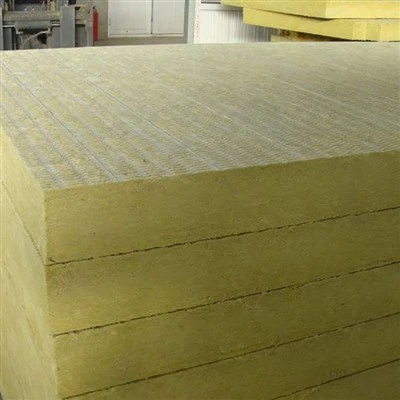
If you’re working on a project and need the right rock wool mats, or you have questions about cutting for a specific application, I’m here to help. Don’t hesitate to reach out to discuss your needs and get tailored advice for your job.
Rock Wool Mat References
- Owens Corning. (2022). Installation Guidelines for Mineral Wool Insulation. Owens Corning.
- National Insulation Association. (2021). Best Practices for Cutting and Handling Rock Wool Products. National Insulation Association.
- ASHRAE. (2020). Insulation Materials Handbook: Properties and Installation. American Society of Heating, Refrigerating and Air-Conditioning Engineers.
- Mineral Wool Manufacturers Association. (2023). Tool Recommendations for Cutting Rock Wool Mats. Mineral Wool Manufacturers Association.
- Construction Specifications Institute. (2022). Section 07 21 00: Insulation for Interior Walls. Construction Specifications Institute.
Langfang Aolesi Thermal Insulation Materials Co., Ltd.
As one of the most professional rock wool mat manufacturers and suppliers in China, we also support customized service. Please feel free to buy bulk high quality rock wool mat made in China here from our factory. For pricelist, contact us now.
Address: Dongwang Village, Dacheng County, Langfang City, Hebei Province
E-mail: Lfaolesibaowen@outlook.com
WebSite: https://www.lfaolesi.com/
