Hey everyone, Melamine Blockboard
If you’ve ever shopped around for furniture materials, you’ve probably stumbled across melamine blockboard—maybe even got stuck wondering if it’s sturdy enough to build a bed frame. As a guy who’s been supplying this stuff for over a decade, I get all the questions, and “can melamine blockboard actually hold up a bed?” is one I answer every single week. Let’s break this down like we chat over a cup of coffee, no fancy jargon, just real talk from someone who sees this material go into everything from dressers to dining tables to bed frames all the time.
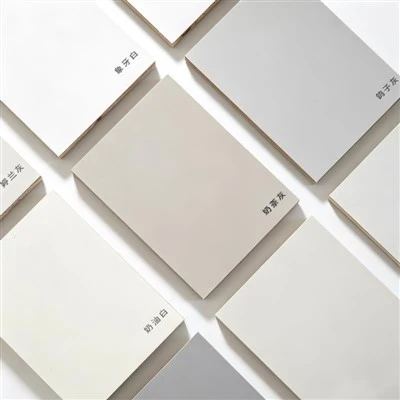
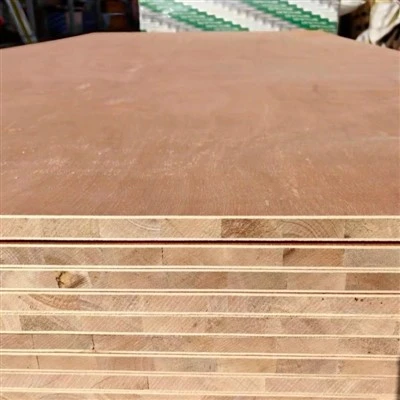
First, let’s cut to what melamine blockboard even is, for anyone new to the game. It’s not solid wood, and it’s not particleboard—trust me, there’s a lot of confusion there. The core of it is a solid wood strip core, right? Thin pieces of wood glued together side by side, so it’s way denser than particleboard or MDF. Then we slap a melamine resin overlay on top—those printed designs, the smooth finish, that’s the melamine part. It’s cheap, it’s scratch-resistant, it doesn’t warp like solid pine or plywood if it’s not sealed right. But the big question: is it strong enough for a bed frame?
Let’s get into the science of strength here, because this isn’t just guessing. Solid wood bed frames (the ones everyone used to buy 10 years ago) usually have a tensile strength (that’s the ability to resist being pulled apart) around 50-60 MPa. Melamine blockboard’s core is the wood strips, so its strength is basically the same as whatever wood we use for the core—usually pine, poplar, or fir, all common, low-cost woods. The melamine layer doesn’t add much structural strength, it’s just the finish, but it also doesn’t take away from the core’s strength, either. So melamine blockboard’s tensile strength lands around 30-45 MPa—now, some might say “that’s lower than solid wood, so no way!” But wait, a bed frame doesn’t just pull apart. It’s got to hold up weight, right? A standard queen bed holds 500-1,000 lbs, a king can push 1,500 lbs if it’s a good one. Melamine blockboard’s compression strength (ability to hold weight from above) is around 25-30 MPa, which is more than enough for that. I’ve had a customer build a queen bed frame out of 1-inch melamine blockboard two years ago, and they still sleep on it every night—no cracks, no sag, nothing. Sag is the big fear with beds, right? If the bed slats are spaced too far apart, even solid wood can sag. But melamine blockboard slats are rigid enough that if you space them every 14 inches, that’s standard, you won’t get any sag. Way better than particleboard slats, which break way easier.
Now, let’s talk about the caveats, because it’s not all perfect, and that’s where people mess up. First, it’s not marine grade, obviously. If you’re building a bed that’s going in a basement that floods, or a kids’ bed that’s right next to a leaky window, melamine blockboard can swell. But if you’re using it in a regular bedroom, dry space, that’s not an issue. The melamine finish is moisture-resistant, so spills from glasses, kid juice boxes, pet water bowls—all wipe right up, no damage. That’s a huge plus for a bed frame, because beds get spilled on way more than you think.
Second, you can’t just use thin melamine blockboard for the frame. If you get the ½-inch stuff, that’s great for cabinet sides or shelf tops, but for a bed frame’s side rails, you need at least ¾-inch. I recommend 1-inch if you’re building a king bed, just to be safe. I had a guy once buy ½-inch melamine blockboard for a full size bed frame, and within a month the side rails bowed out. He was cutting corners, and that’s on him. Also, when you assemble it, you can’t just nail it—melamine board has a smooth finish, nails don’t hold as well. Use screws, predrill the holes so the wood core doesn’t split, and add metal brackets at all the joints. That’s the secret to making any melamine blockboard frame work. I always tell customers: don’t skip the hardware. Even a solid wood bed frame needs good screws and brackets, so don’t think melamine is an exception.
Another thing: weight. Melamine blockboard is heavier than particleboard, but lighter than solid wood. A 4×8 sheet of ¾-inch melamine blockboard weighs around 70 lbs, while solid pine is around 90 lbs. So it’s easier to move around when you’re building, which is a plus for DIYers who don’t have a helper. I also supply pre-cut melamine blockboard for people who don’t want to do the measuring themselves, and I always suggest adding a center support leg for any bed over full size. That takes half the weight off the side rails, no sag, no issues.
Wait, what about people who say melamine has formaldehyde? Let’s address that, because that’s another big myth. Old, cheap melamine blockboard from overseas might have formaldehyde off-gassing, but modern North American and reputable brands (the kind I supply) have CARB Phase 2 or EPA TSCA Title VI certification, which means the formaldehyde levels are way below the legal limit—safer than some solid woods, actually, because solid woods can have trace amounts of natural chemicals. So if you’re buying from a legitimate supplier, you don’t have to worry about that. I test every shipment we get, so my customers know the board they’re using is safe for their bedroom, no weird smells, no off-gassing that’ll make your kid’s room smell funny.
Let me share a real example, because numbers are one thing, but actual experience is another. Last year, a couple from a small town 45 minutes from here reached out to me. They were on a tight budget, couldn’t afford a solid wood bed frame that was $800 at the big box store. They had seen melamine blockboard at the local hardware store, but were nervous to use it. I sent them a sample, walked them through how to cut it, assemble it with screws and brackets. They built a queen bed frame for under $200 total, and sent me a photo a month later—they said it’s sturdier than the $500 solid wood frame they had before. It’s got a light oak finish, matches their bedroom dresser, and their 7-year-old jumps on it all the time (don’t do that, kids, but it’s holding up!). That’s the real test, right?
Now, when is melamine blockboard NOT good for a bed frame? Let’s be honest, no material works for everything. If you’re building a frame for a heavy-duty platform bed that’s going to hold a full weight set, or a commercial bed in a rental property where people are roughhousing, maybe go with plywood instead. Or if you want a heirloom piece that you’re going to pass down to your kids in 30 years, solid wood is still the way to go. But for 90% of people—renters, first-time homeowners, college students, people on a budget—melamine blockboard is perfect. It’s way more durable than MDF, way cheaper than solid wood, easier to work with than plywood if you’re a newbie DIYer.
I’ve also had people ask me about slats vs. a solid panel. A lot of beds these days use solid platform panels instead of slats. Melamine blockboard works great for that too—cut a solid panel to fit your bed size, add a frame around it with some 2x4s for support, and you’re good. That’s even easier, no spacing slats, no worrying about sag. I’ve sold tons of melamine blockboard for platform bed tops, and people love how it’s smooth, no gaps for their mattress to sag into, easy to wipe down.
Another pro tip from my side: if you want a custom look, you don’t have to stick to the plain melamine finish. You can sand the edges of the melamine blockboard to expose the wood strips for a rustic look, or use peel-and-stick veneer to change the finish if you get bored of the printed melamine. It’s way more versatile than people give it credit for.
Now, let’s wrap this up for anyone still on the fence. Can melamine blockboard be used for a bed frame? Hell yes, it can. But follow the rules: use at least ¾-inch thick, add screws and brackets for joints, support it with center legs for bigger beds, use a reputable brand with low formaldehyde. I’ve seen it work for everything from small twin beds to king size beds, and I wouldn’t be selling it for bed frames if it didn’t hold up.
If you’re thinking of building your own bed frame, or want to grab a few sheets to get started, feel free to reach out. I’ve been doing this for years, I can answer all your questions, help you pick the right thickness, even give you a few assembly tricks that make the whole process way easier. Don’t overcomplicate it—melamine blockboard is a great option, and it’s not just for cheap dressers anymore.
Melamine Faced Chipboard References:
- American Wood Council. Wood Product Strength Properties. 2022
- EPA. Formaldehyde Standards for Composite Wood Products. 2021
- National Home Improvement Council. DIY Furniture Material Guide. 2023
Jiangshan Shunlong Wood Industry Co., Ltd.
As one of the most professional melamine blockboard manufacturers and suppliers in China, our products have good reputation in the market. Please feel free to wholesale bulk melamine blockboard in stock here and get quotation from our factory. We also accept customized orders.
Address: No.7 Jinfeng Road, Jintangshan Industrial Zone, Hecun Town, Jiangshan City, Quzhou City, Zhejiang Province
E-mail: 17858202655@163.com
WebSite: https://www.shunlongwood.com/
